
Nainital Weather in Monsoon: Rain, Tips & Best Time
Planning a monsoon trip to Nainital? Know what the weather is like, what to pack, where to go and how to enjoy the hills in the rain.
27 Sept 2026 · 17 min read · The Nainital Guide
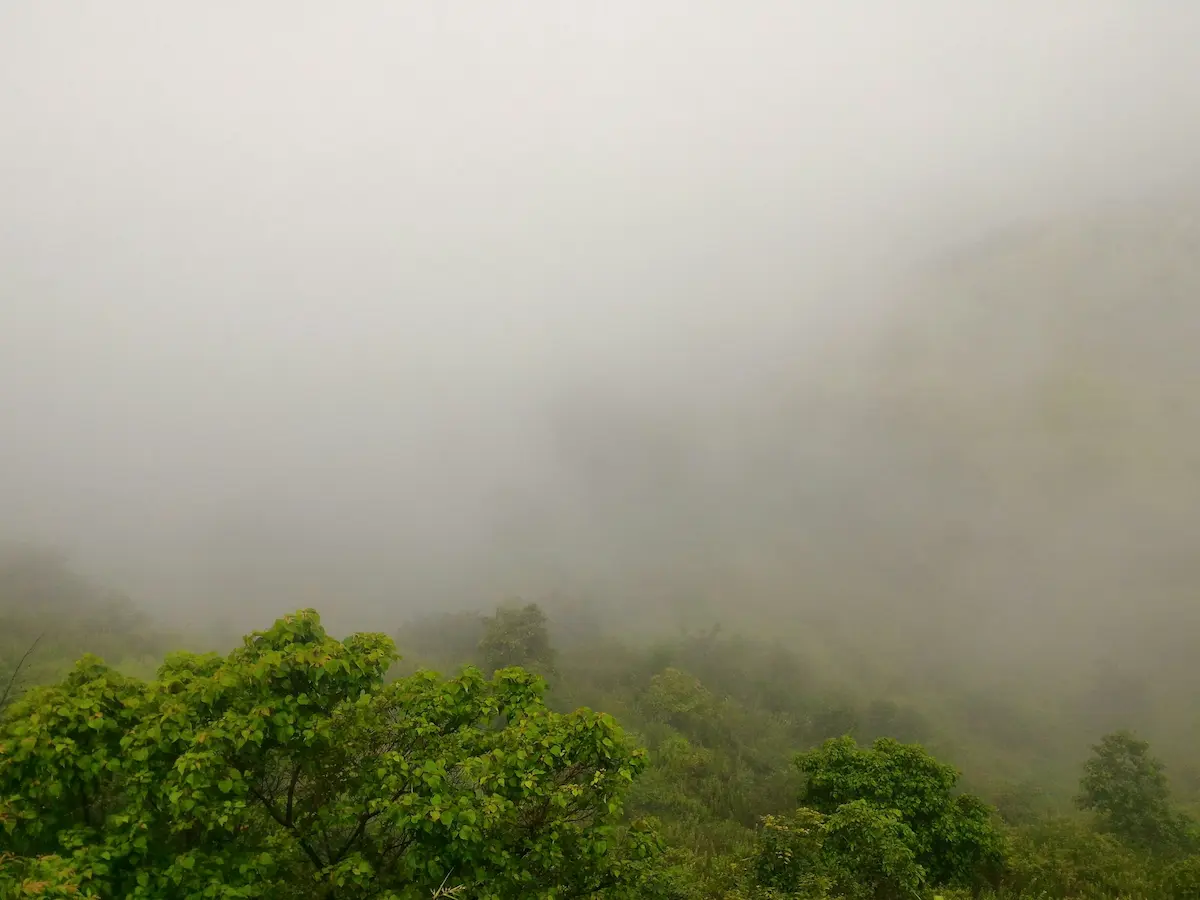
Nainital feels different when the monsoon arrives. The hills become greener, the air turns fresh after rain, and the usual summer rush begins to slow down. At the same time, rain can change your travel plans quickly. Roads may become wet and slippery, clouds can cover the mountain views, and outdoor sightseeing is not always possible.
Understanding Nainital Weather in Monsoon is therefore important before you plan a rainy-season trip.
The monsoon usually reaches Nainital during the summer months and continues through much of the rainy season. The town receives significant rainfall because of its location in the Kumaon Himalayas, and the surrounding hills can remain cloudy and misty for long periods.
For The Nainital Guide, the aim is to help you understand what a monsoon trip is actually like — including the good parts, the inconvenient parts and the things you should prepare for.
If you don't mind carrying an umbrella and keeping your plans flexible, monsoon can be a surprisingly peaceful time to experience Nainital.
When Is the Monsoon Season in Nainital?
The main monsoon period in Nainital is generally from June to September, with July and August usually being the wetter part of the season.
The exact beginning and end of the rainy season can vary from year to year. Some days may be completely wet, while others can have sunshine followed by a sudden shower.
This is one reason mountain weather is difficult to plan around too far in advance.
June
June is often still part of the popular summer travel season, particularly during the early part of the month. As the monsoon approaches, rain becomes more frequent.
You may still get bright and pleasant days, but weather conditions can become increasingly unpredictable.
July
July is typically a wet month in Nainital.
Rain can be heavy at times, and cloudy skies are common. The hills become beautifully green, but long outdoor sightseeing plans can become inconvenient.
If you enjoy quiet travel and don't mind rain, July can still be rewarding.
August
August continues the monsoon pattern.
Rainfall can be frequent, and mist often becomes part of the mountain scenery. Visibility at viewpoints can change quickly.
This is not the month to visit if your main goal is guaranteed clear Himalayan views.
September
September is a transition period.
The monsoon gradually starts withdrawing, although rain can still occur. Towards the later part of the month, travellers may begin to get more comfortable sightseeing conditions.
The exact timing varies from year to year, so it is better to check the forecast rather than assuming that September will be completely dry.
What Is Nainital Weather Like During Monsoon?
The easiest way to describe monsoon weather in Nainital is cooler, wetter and unpredictable.
Unlike the hot and humid monsoon experience in many lowland cities, Nainital's higher elevation gives the town a much cooler mountain climate.
A typical monsoon day can include:
Cloudy skies
Light drizzle
Periods of heavier rain
Mist over the hills
Short breaks of sunshine
Wet roads and paths
Reduced visibility at viewpoints
You might leave your hotel under cloudy skies and find the weather changing completely a few hours later.
That is why flexibility matters more during this season.
Does it rain every day?
No.
Monsoon does not mean continuous rain from morning to night every day.
There can be days with several hours of rain, days with short showers and days when you get a reasonable amount of dry weather for sightseeing.
However, you should be prepared for rain even if the morning forecast looks promising.
Why Does Nainital Get So Much Rain?
Nainital's location in the Himalayan foothills and its elevation influence its weather.
The surrounding mountains affect the movement of moist monsoon air, resulting in substantial rainfall across the region.
This rainfall is one reason the hills around Nainital look particularly lush during the monsoon.
Trees become greener, smaller streams and waterfalls can become more active, and the landscape takes on a different character from the drier months.
For photographers and travellers who enjoy greenery, this can be one of the most attractive sides of visiting Nainital during the rainy season.
What Makes Nainital Beautiful During Monsoon?
The first thing you notice is the greenery.
The hills around the lake become deep green, and mist often settles between the slopes.
Sometimes you can see the clouds moving across the hills. At other times, a viewpoint that was clear a few minutes earlier can disappear behind fog.
The lake also takes on a different mood.
Instead of the bright blue skies and busy summer atmosphere, you may find grey clouds reflected on the water while light rain falls around the town.
It is quieter and more atmospheric.
Of course, this kind of weather is not for everyone.
If you want guaranteed sunshine and clear mountain views every morning, monsoon can be frustrating.
But if you enjoy slow travel, greenery and changing mountain weather, it can be beautiful.
Is Nainital Worth Visiting During Monsoon?
Yes, but it depends on what you expect from the trip.
Monsoon can be a good choice if you:
Enjoy green landscapes
Prefer a quieter atmosphere
Don't mind occasional rain
Like misty mountain views
Can keep your itinerary flexible
Want to experience a different side of Nainital
It may not be the best choice if you:
Want guaranteed clear skies
Have a tightly packed sightseeing schedule
Dislike rain
Are uncomfortable travelling on wet mountain roads
Mainly want outdoor adventure activities
The key is not whether monsoon is "good" or "bad".
It is whether monsoon weather suits the type of holiday you want.
Things to Do in Nainital During Monsoon
Rain doesn't mean you have to stay inside your hotel for the entire trip.
You simply need to choose activities that work around the weather.
1. Enjoy Naini Lake
Naini Lake remains the centre of the town even during monsoon.
When the rain stops, walking beside the lake can be relaxing. The surrounding hills are often at their greenest during this season.
Boating may also be available depending on the weather and local operating conditions.
Don't assume that boating will operate during heavy rain or unsafe weather. Check locally on the day.
2. Walk Around Mall Road
Mall Road is an easy place to explore when you get a break between showers.
You can browse local shops, stop for tea or food and enjoy views of the lake.
Carry an umbrella even if the sky looks clear.
A sudden shower is always possible during monsoon.
3. Visit Naina Devi Temple
Naina Devi Temple sits beside Naini Lake and is one of the important religious landmarks in Nainital.
A visit can easily be combined with a walk around the lake and Mall Road.
It is also a useful option when you want a quieter cultural activity rather than spending the entire day outdoors.
4. Explore Local Markets
Monsoon is a good excuse to slow down and explore Nainital's markets.
You can look for candles, woollens, local handicrafts, wooden products and other souvenirs.
If it starts raining heavily, take shelter in a shop or café rather than trying to continue walking through the rain.
5. Visit Eco Cave Gardens
Eco Cave Gardens is one of Nainital's popular attractions and can be an interesting option for families.
Because the attraction involves uneven surfaces and cave-like spaces, be particularly careful when the ground is wet.
Check local operating conditions before visiting after heavy rainfall.
6. Enjoy Cafés and Local Food
A rainy afternoon in Nainital is a good time to sit somewhere warm with tea or coffee.
Instead of trying to fill every hour with sightseeing, give yourself permission to slow down.
Try local Kumaoni food where available, along with familiar snacks and warm meals.
Sometimes a quiet lunch while watching the rain is a better use of an afternoon than rushing to another viewpoint.
7. Visit Viewpoints When the Weather Clears
Places such as Snow View Point can offer excellent views when visibility is good.
But monsoon clouds can completely cover the mountains.
Don't be disappointed if you arrive at a viewpoint and see nothing but mist.
If the weather improves later, you may get a completely different view.
This is one reason flexible sightseeing works so well during monsoon.
Places to Visit Around Nainital During Monsoon
If conditions are suitable, you can also consider places around the town.
Pangot
Pangot is known for its forested surroundings and quieter atmosphere.
The monsoon can make the forest landscape particularly green, although rain can affect road conditions.
Khurpatal
Khurpatal is a scenic lake area near Nainital.
It can be attractive during the rainy season when the surrounding vegetation becomes greener.
Sattal
Sattal is a group of interconnected lakes surrounded by forest.
The monsoon greenery can make the area especially scenic.
However, always check road and weather conditions before making a day trip during heavy rain.
Bhimtal
Bhimtal is another popular lake destination in the Kumaon region.
It can be combined with a wider Kumaon itinerary if you have enough time.
Again, the journey matters as much as the destination during monsoon.
Nainital Monsoon Road Conditions
This is probably the most important practical issue for visitors.
Nainital is a hill town, so travelling during heavy rain is different from travelling on flat roads.
Rain can result in:
Slippery roads
Reduced visibility
Water flowing across roads
Falling rocks or debris in vulnerable areas
Temporary traffic delays
Landslide-related disruption in some locations
This does not mean that every monsoon journey is dangerous.
It means you should respect the weather.
If you are driving yourself
Drive slowly and avoid sudden braking.
Keep a safe distance from other vehicles and avoid unnecessary overtaking on narrow mountain roads.
If visibility becomes poor, slow down or stop somewhere safe rather than continuing simply because your itinerary says you should reach a destination at a particular time.
If you are travelling by taxi
A local driver familiar with the mountain roads can be helpful during unsettled weather.
Before leaving, ask about the current road conditions and whether the planned route is suitable.
Don't insist on visiting a remote destination if local conditions have deteriorated.
What Should You Pack for Nainital in Monsoon?
Good packing can make the difference between enjoying the rain and spending the whole trip feeling uncomfortable.
Carry a proper rain jacket
An umbrella is useful, but a rain jacket is often more practical when walking.
It keeps your hands free and protects you better during heavier showers.
Bring waterproof footwear
Wet shoes are one of the fastest ways to ruin a sightseeing day.
Choose shoes with good grip and some resistance to water.
Avoid smooth soles because wet roads and stone paths can become slippery.
Pack quick-drying clothes
Don't fill your suitcase with only heavy cotton clothing.
Lightweight, quick-drying clothes are easier to manage if you get caught in a shower.
Carry an extra pair of socks as well.
Bring a small day bag
A small backpack can hold:
Umbrella
Rain jacket
Water bottle
Phone
Power bank
Tissues
Personal medicines
Extra socks
A waterproof cover for your backpack is also useful.
Protect your electronics
If you're carrying a camera, laptop or other electronics, use waterproof bags or protective covers.
Your phone may survive a little drizzle, but don't take unnecessary chances with expensive equipment.
Monsoon Safety Tips for Nainital
You don't need to be nervous about travelling during the rainy season, but you should be sensible.
1. Check the weather before leaving your hotel
Don't assume the weather at 9 a.m. will remain the same all day.
Look at the latest forecast before heading towards viewpoints or nearby destinations.
2. Avoid isolated areas during heavy rain
If rain becomes intense, stay closer to populated areas until conditions improve.
3. Be careful on wet steps
Stone paths and stairs can become extremely slippery.
Walk slowly and use railings wherever available.
4. Don't stand near unstable slopes
After prolonged rainfall, slopes can become unstable.
Avoid stopping unnecessarily beneath loose rock faces or areas where debris is falling.
5. Don't cross flowing water
If water is running strongly across a road or path, don't attempt to cross simply because other people are doing it.
Find a safer alternative or wait for conditions to improve.
6. Keep emergency contacts handy
Save your hotel contact, transport contact and relevant local emergency numbers on your phone.
Also keep your phone charged before leaving for longer day trips.
Is Boating Possible During Monsoon?
Boating on Naini Lake is one of the experiences many visitors look forward to.
However, monsoon weather can affect boating operations.
During light rain and suitable conditions, boating may continue. During heavy rain, thunderstorms or unsafe conditions, services can be temporarily restricted.
Don't make boating the only activity planned for a particular afternoon.
If the weather prevents it, you can walk around the lake, visit nearby attractions or spend time in the market instead.
What Are the Advantages of Visiting Nainital in Monsoon?
Monsoon has some genuine advantages.
The hills are extremely green
If greenery is one of your main reasons for visiting the mountains, monsoon can be beautiful.
The atmosphere can be quieter
The rainy season generally attracts a different type of traveller from the peak summer period.
On suitable days, the town can feel more relaxed.
Mist creates a different landscape
Clouds moving across the hills and mist around the lake can make familiar places look completely different.
It can suit slow travel
You don't have to rush from attraction to attraction.
Rain naturally encourages you to spend more time enjoying cafés, local food, markets and the views around your accommodation.
What Are the Disadvantages?
There are also real drawbacks.
Rain can disrupt plans
An outdoor itinerary can quickly become impractical during a heavy shower.
Mountain views may disappear
If your dream is a clear Himalayan panorama, monsoon may disappoint you.
Roads need extra care
Wet mountain roads require more attention, and heavy rainfall can cause temporary disruptions.
Clothes can stay damp
If you don't have proper rain protection, shoes and clothes can take a long time to dry.
Some outdoor activities may be restricted
Activities that depend on dry conditions may be postponed or cancelled when the weather becomes unsuitable.
Who Should Visit Nainital During Monsoon?
Monsoon can be a good fit for:
Nature lovers
The greenery is the biggest attraction.
Photographers
Mist, clouds, wet roads, green hills and changing light can create interesting photographs.
Couples
If you enjoy quiet walks, cafés and a slower trip, rainy Nainital can have a pleasant atmosphere.
Travellers who dislike crowds
The monsoon season can offer a more relaxed experience than peak summer holidays, depending on the date.
Repeat visitors
If you've already seen Nainital during summer or winter, monsoon lets you experience the town in a completely different mood.
Who May Prefer Another Season?
You may want to choose another season if you specifically want:
Consistently clear mountain views
Long outdoor hikes
A tightly scheduled sightseeing itinerary
Reliable dry weather
Snowfall
For these travellers, another season may fit better.
There is no single "best" season for everyone.
Best Time to Visit Nainital Based on Your Travel Style
The ideal time depends on what you want to do.
For pleasant sightseeing
March to June is generally popular for comfortable daytime weather and outdoor sightseeing, although the summer holiday period can be busy.
For greenery and rain
July to September is the main monsoon period.
Choose it if you enjoy lush landscapes and don't mind unpredictable weather.
For autumn views
The post-monsoon period can offer clearer skies and fresh-looking landscapes as the rainy season retreats.
For cold weather and possible snowfall
December to February is the winter period to consider.
Snowfall is possible, but it is never sensible to book a trip based on a guarantee of snow on a particular date.
A Practical Monsoon Day in Nainital
Suppose you wake up and it is raining.
Don't immediately assume your day is ruined.
Have breakfast and check whether the rain is expected to continue.
If it is light, carry your rain jacket and start with nearby attractions such as the lake, temple or market.
If the rain becomes heavier, return to your accommodation or find a comfortable café.
When the rain stops, use that window for outdoor sightseeing.
This approach is much more realistic than creating a fixed itinerary where every attraction has a specific time slot.
Mountain weather rewards flexibility.
Tips for Families Travelling During Monsoon
Travelling with children during the rainy season requires a little more planning.
Carry an extra set of clothes and socks.
Choose accommodation with easy road access rather than a property requiring a long walk on a steep path.
Avoid crowded or slippery areas after heavy rain.
If your children are young, don't plan a full day of outdoor sightseeing. Keep indoor alternatives available.
Most importantly, don't let the weather pressure you into travelling when conditions are poor.
There will always be another attraction to visit.
Tips for Couples Travelling During Monsoon
A rainy Nainital trip can actually work well for couples who prefer a relaxed holiday.
Instead of trying to cover ten places, choose a few.
Take a walk around the lake when the rain stops. Find a quiet café. Explore the local market. Sit somewhere with a view of the hills.
If the weather closes in, enjoy the slower pace.
Monsoon is not the season for chasing a checklist.
A Simple 3-Day Monsoon Itinerary
Day 1: Lake and town
Start with Naini Lake and Naina Devi Temple.
Explore Mall Road and the nearby markets.
If the weather remains comfortable, enjoy a relaxed walk around the lake.
Day 2: Viewpoints and nearby attractions
Check the morning weather.
If visibility is reasonable, visit Snow View Point or another suitable viewpoint.
If rain increases, switch to indoor or town-based activities.
Day 3: Nearby destination
If the roads and weather are suitable, consider a nearby destination such as Pangot, Bhimtal or Sattal.
Don't force the day trip if heavy rain has affected road conditions.
Final Thoughts
Nainital Weather in Monsoon is unpredictable, but that doesn't automatically make the season a bad time to visit.
The rain brings out a greener, quieter and more atmospheric side of the hills. The lake looks different under cloudy skies, mist moves across the mountains, and the landscape feels fresh after a shower.
At the same time, you need to accept that rain can change your plans.
Carry proper rain protection. Wear shoes with good grip. Keep your itinerary flexible. Check road and weather conditions before heading outside town, and don't take unnecessary risks during heavy rainfall.
If you are choosing a travel season, think about what you actually want from Nainital rather than searching for one universally "best" month. Summer can work well for conventional sightseeing, monsoon suits travellers who enjoy greenery and rain, autumn can bring improving visibility, and winter is the season to consider for cold weather and possible snowfall.
For practical information on planning your trip, seasonal conditions and places to explore, The Nainital Guide can help you understand Nainital beyond the usual postcard view.
And during monsoon, that usually means one simple thing: leave a little space in your plan for the mountains to make their own decisions.
Frequently Asked Questions
1. What is Nainital weather like during monsoon?
Nainital is generally cool, wet and unpredictable during monsoon. You can experience rain, cloudy skies, mist and occasional breaks of sunshine on the same day.
2. Which months are monsoon months in Nainital?
The main monsoon period is generally June to September, with July and August typically being among the wetter months. The exact timing can vary each year.
3. Is Nainital safe to visit during monsoon?
Yes, many people visit during the rainy season, but you should take extra care on mountain roads and wet walking surfaces. Check current weather and road conditions before travelling to nearby or higher areas.
4. Does it rain every day in Nainital during monsoon?
No. Rainfall patterns vary. Some days can be wet for long periods, while others may have only a few showers and several hours of dry weather.
5. What should I pack for Nainital in monsoon?
Carry a rain jacket, umbrella, waterproof or water-resistant shoes with good grip, quick-drying clothes, extra socks, a waterproof bag cover and protection for electronics.
6. Is monsoon a good time for a Nainital trip?
It depends on your preferences. Monsoon is attractive for greenery, mist and a quieter atmosphere, but rain can disrupt sightseeing and reduce mountain visibility. If you prefer clear skies and predictable outdoor conditions, another season may suit you better.
Related guides
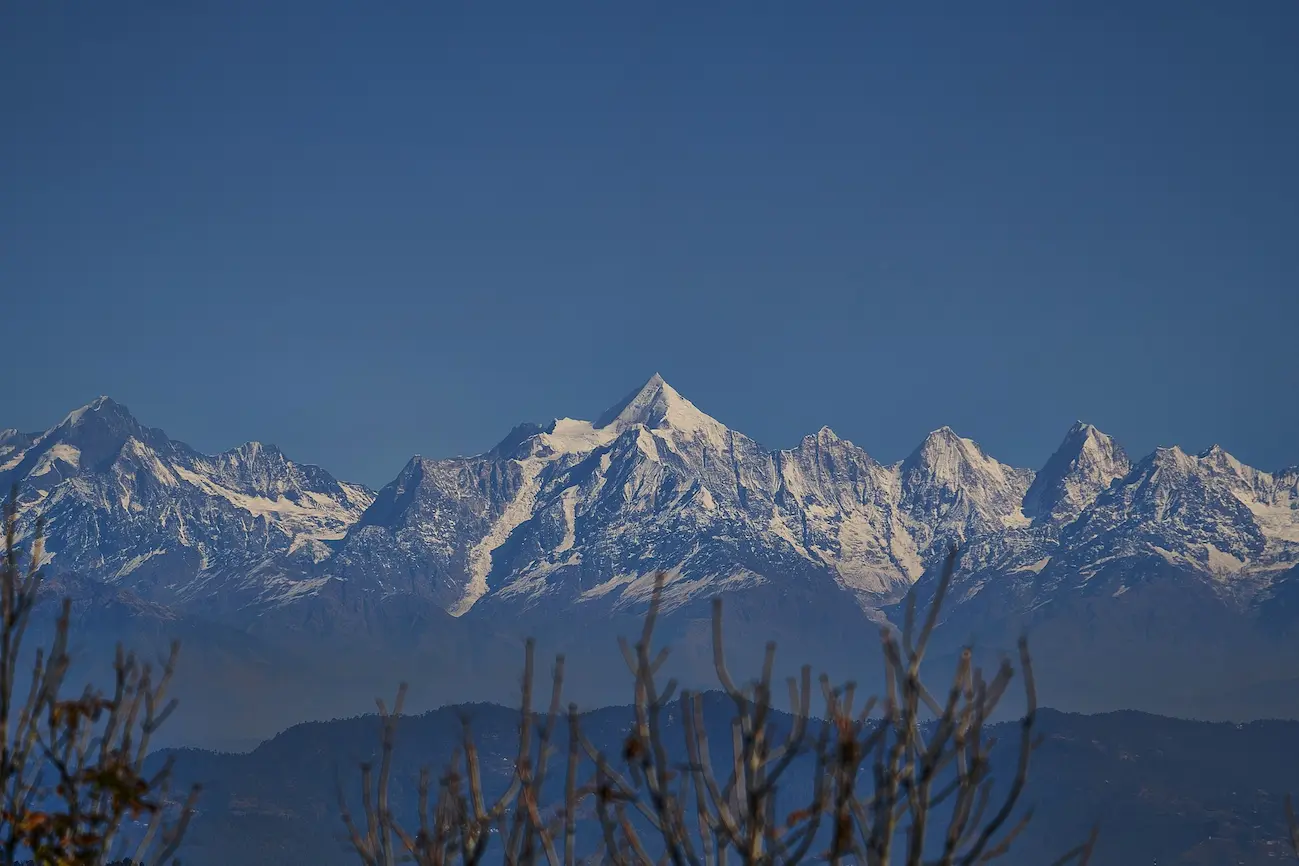
Mukteshwar Snowfall: Best Time to Visit and What to Expect
Want to see snowfall in Mukteshwar? Explore the best months to visit, winter weather, nearby places and useful travel tips.
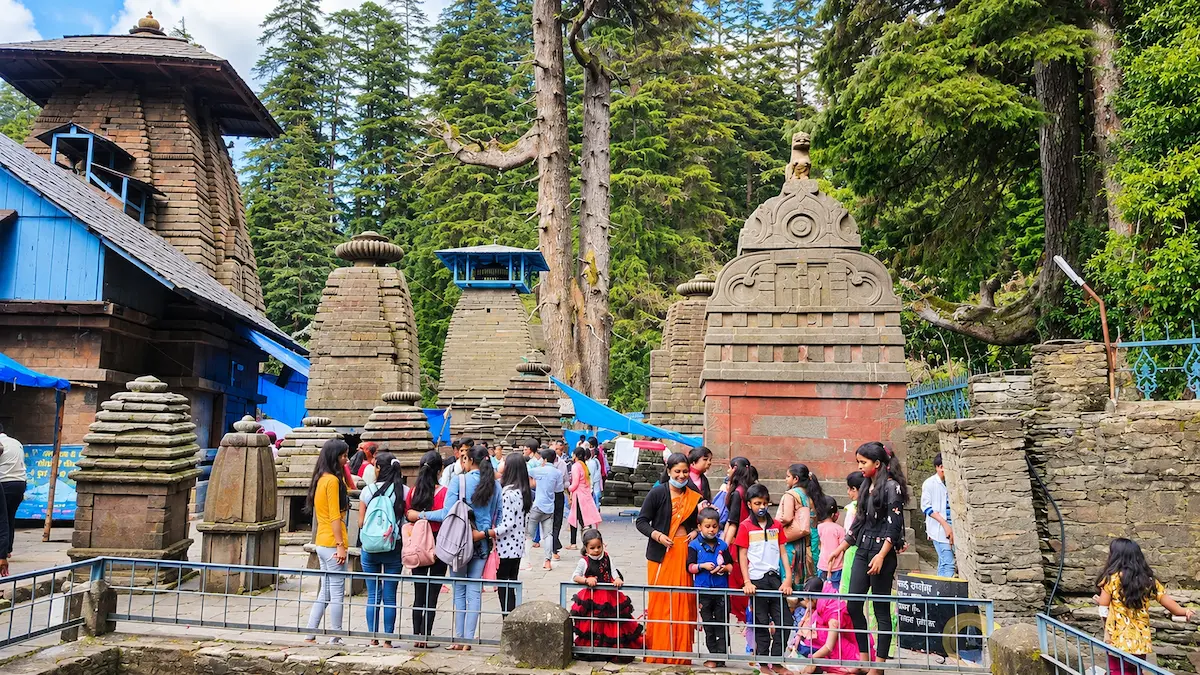
Jageshwar Dham Almora: Temple Timings, History and How to Visit
Planning a visit to Jageshwar Dham Almora? Check temple timings, aarti details, history, how to reach and nearby places before you go.
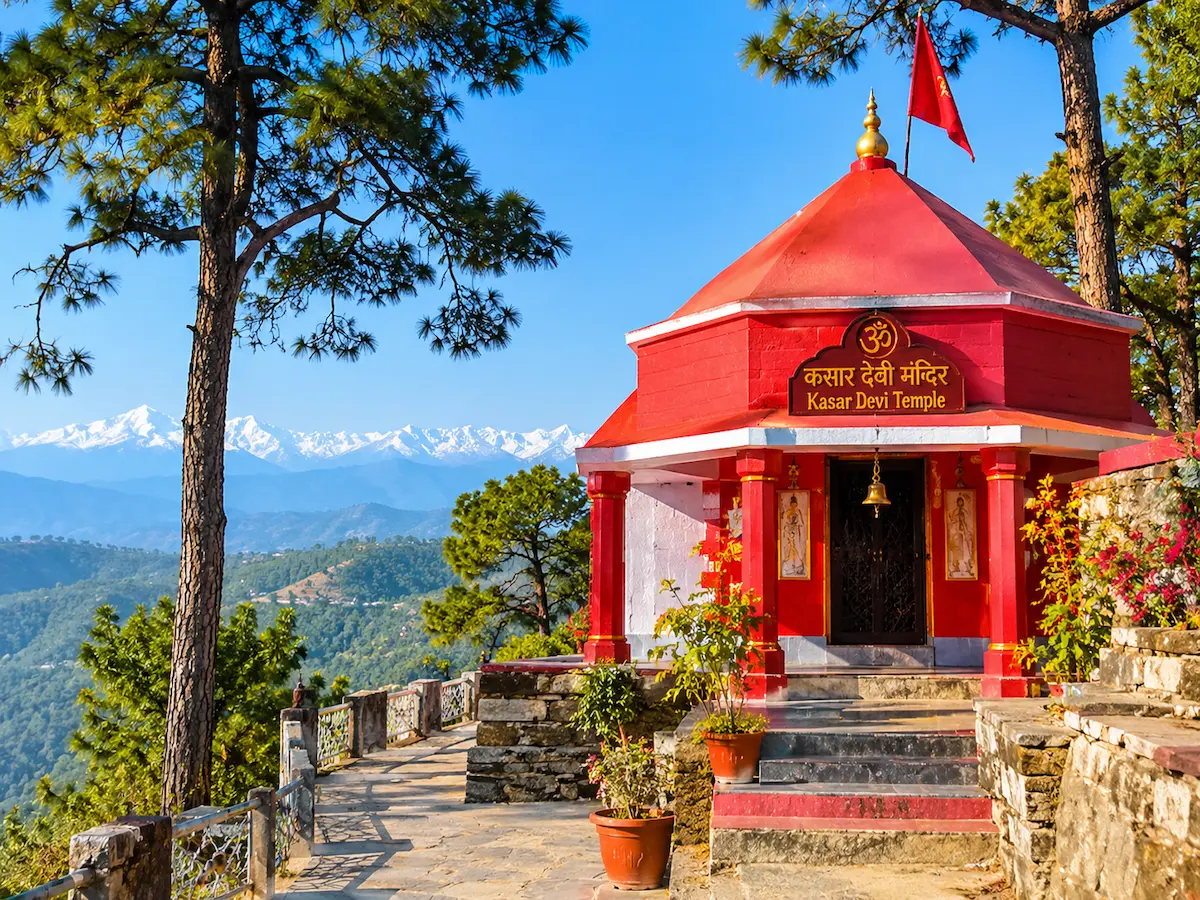
Kasar Devi Temple: Timings, Location and How to Visit
Planning a visit to Kasar Devi Temple? Explore its timings, location, history, how to reach and the best time to visit.
Not sure where to start? Tell us your dates.
Send your travel dates and group size — we'll reply within a few hours with hotel and tour options that actually fit.