
Nainital Weather Forecast for 15 Days
Get practical Nainital weather guidance for the next 15 days, including temperature changes, rain, fog, snowfall, packing and travel planning tips.
18 Sept 2026 · 23 min read · The Nainital Guide

Planning a trip to Nainital and wondering what the next couple of weeks might look like? A nainital weather forecast 15 days ahead can be useful for deciding what to pack, which outdoor activities to keep flexible, and how much time to allow for sightseeing. But there is an important distinction between a forecast and the usual weather pattern of the season: conditions can change considerably as the travel date gets closer.
At The Nainital Guide, the aim is to make weather information useful for an actual trip rather than simply list temperatures. Nainital's weather can influence almost every part of a holiday, from a morning walk around Mall Road and boating on Naini Lake to viewpoints, short hikes and road journeys through the hills. A cloudy morning can turn into sunshine, while a pleasant afternoon can be followed by rain or a noticeably colder evening.
This guide explains how to use a 15-day forecast intelligently, what temperatures are generally like in Nainital, how conditions differ between summer, monsoon, autumn and winter, what to pack, and how to adjust your plans when the weather does not cooperate.
Nainital Weather Forecast for the Next 15 Days
A 15-day forecast should be used as a planning tool rather than a promise of exactly what will happen. Forecast models become less certain the farther they look into the future. The weather shown for a date ten or fifteen days away may change several times before that date arrives, particularly when rain, thunderstorms, cloud cover or changing mountain conditions are involved.
For that reason, it is better not to build a Nainital itinerary around a forecast that says a particular afternoon will definitely be sunny. Instead, use the forecast to identify broad possibilities:
Periods when rain may interfere with outdoor sightseeing.
Days when temperatures are likely to feel colder or warmer than usual.
Potentially wet or windy periods when road travel may require extra caution.
Clearer periods that may be more suitable for viewpoints, walks and boating.
Whether you should carry additional warm clothing or rain protection.
If your trip is still more than a week away, pay attention to the overall pattern rather than becoming concerned about small changes in individual temperature predictions. As your departure date approaches, check the updated forecast again and make your final plans using the latest information.
The practical approach is simple: use a long-range forecast to prepare, a short-range forecast to plan, and the weather you actually encounter to make decisions on the day.
Why a 15-Day Forecast Can Change
Mountain weather is affected by elevation, terrain, cloud movement and larger weather systems. Nainital's surroundings also contain substantial changes in elevation over relatively short distances. This means the weather you encounter in the town may not be exactly the same as conditions elsewhere along your route or at a higher viewpoint.
A forecast may therefore change from partly cloudy to rainy, or from a predicted shower to a dry period, as newer observations become available. This is normal forecasting behaviour and does not necessarily mean that an earlier forecast was careless or useless.
Think of the 15-day forecast as a moving picture. Each time you check it, the picture becomes clearer as the date approaches.
How to Read the Nainital 15-Day Forecast
Weather apps can display a surprising amount of information, but travellers usually need only a few parts of the forecast to make sensible decisions.
Temperature
Look at both the expected daytime high and nighttime low. A comfortable afternoon temperature does not mean the entire day will feel equally warm. Early mornings, shaded areas and evenings can feel considerably cooler, especially during autumn and winter.
Rain Probability
A chance of rain does not necessarily mean that it will rain continuously. A forecast indicating showers may describe a short period of rain rather than a full day of wet weather.
In the hills, however, even a short spell can affect roads, walking surfaces and visibility. If rain is predicted, keep your plans flexible instead of assuming that every outdoor activity will go ahead exactly as scheduled.
Cloud Cover
Cloudy weather is particularly relevant in Nainital because many visitors come for lake views, mountain scenery and elevated viewpoints. A day without significant rain can still offer limited views if low clouds or mist settle around the hills.
Thunderstorms
If thunderstorms are mentioned, outdoor plans deserve additional flexibility. Avoid treating a sightseeing schedule as fixed when lightning or storms are possible.
Activities involving exposed viewpoints, long walks or driving through mountain sections should be reconsidered if conditions deteriorate.
Wind
Wind can make an otherwise moderate temperature feel much colder, especially around the lake and exposed viewpoints. It can also make umbrellas less useful during rain.
A lightweight waterproof jacket is often more practical than relying only on an umbrella.
Nainital Temperature During the Day and Night
Nainital has a cooler mountain climate than the plains around northern India. The difference between daytime and nighttime conditions can be noticeable, and the temperature you experience also depends on the season, cloud cover, wind and time of day.
During warmer months, afternoons are generally comfortable compared with the heat experienced in many nearby plains. Even then, evenings can become pleasantly cool.
In winter, the difference becomes more important because temperatures can fall close to freezing or below freezing during colder periods.
Do not pack exclusively according to the daytime forecast. If you plan to spend time outside early in the morning or return to your hotel after sunset, prepare for cooler conditions.
Time of Day | What Travellers Should Generally Expect | Planning Advice |
Early morning | Usually cooler than the afternoon; mist or cloud may affect visibility at times | Carry an extra layer, particularly outside summer |
Late morning | Often more comfortable for walking and sightseeing as temperatures rise | Good time to begin outdoor activities when conditions are suitable |
Afternoon | Usually the warmer part of the day, though cloud or rain can change conditions quickly | Keep rain protection handy during wetter months |
Evening | Temperatures can drop noticeably after sunset | Carry a light or warm layer depending on the season |
Night | Cool to cold for much of the year, with winter being particularly chilly | Choose accommodation and clothing accordingly |
Nainital Weather by Season
Looking at the season is often more useful than looking at a single temperature. If you understand the general character of the month in which you are travelling, a changing 15-day forecast becomes much easier to interpret.
Nainital experiences distinct seasonal changes. Summer is generally mild compared with the plains, monsoon brings frequent rain and cloud, autumn tends to become clearer and more comfortable, and winter brings cold mornings and nights with occasional snowfall possibilities.
Nainital Weather in Summer
Summer is one of the busiest periods in Nainital because the hill climate provides relief from the hotter conditions in many northern Indian cities and plains.
April usually marks a transition into warmer and more comfortable conditions. By May and June, afternoons can feel pleasantly mild rather than intensely hot, although direct sunlight can still feel strong at higher elevations. Mornings and evenings are generally cooler.
Summer weather is not necessarily identical every year. A cloudy day may feel much cooler than a sunny afternoon, and occasional rain can change the temperature quickly.
What to Expect on a Summer Trip
Comfortable conditions for walking around central Nainital.
Cooler mornings and evenings than many nearby plains.
Busy roads and popular attractions during holiday periods.
Occasional showers or thunderstorms, depending on the weather pattern.
Strong sunlight when skies are clear.
What to Pack for Summer
Light clothing works for much of the daytime, but do not leave all warm layers at home. A light jacket or sweater is useful for evenings and cooler mornings.
Comfortable walking shoes, sunglasses, sunscreen and a compact rain layer are sensible additions.
Nainital Weather During Monsoon
Monsoon changes the character of Nainital considerably. Rain can make the surrounding hills intensely green, but it can also complicate travel and outdoor sightseeing.
The monsoon period is generally associated with frequent rainfall, cloud cover, mist and damp conditions. Some days can have breaks in the rain, while others may remain wet for extended periods.
Because the intensity and timing of rainfall can vary, a forecast is particularly important when travelling during this season.
Do not interpret a forecast for rain as meaning that every hour of your trip will be unusable. At the same time, avoid planning a tightly packed itinerary that assumes every outdoor attraction will remain accessible regardless of conditions.
How Monsoon Affects Sightseeing
Rain can make paths slippery and reduce visibility at viewpoints. Clouds may temporarily hide distant mountain scenery. Boating and other outdoor activities can also be affected by weather and local operating decisions.
The most practical approach is to keep your itinerary flexible. If the morning is wet, you might postpone a viewpoint visit rather than cancelling the entire day.
When the rain eases, conditions may become much more suitable for a short walk or local sightseeing.
Monsoon Packing Checklist
Waterproof or water-resistant jacket.
Comfortable shoes with good grip.
Quick-drying clothes.
Small umbrella, where practical.
Waterproof cover for electronics and important documents.
Extra socks.
A light warm layer for cool, damp conditions.
Most importantly, allow extra time for journeys. Wet mountain roads require more caution than dry roads, and travel conditions can change after heavy rain.
Nainital Weather in Autumn
Autumn is often associated with a transition toward clearer and drier weather after the monsoon. September can still experience rain, particularly early in the month, so travellers should not assume that the end of monsoon means completely dry conditions from the first day of autumn.
October generally brings more comfortable sightseeing conditions, with cooler mornings and evenings and often better opportunities for clear views. November becomes noticeably colder, particularly after sunset.
This period can work well for travellers who prefer cooler weather but do not want the deeper cold of winter. However, actual conditions vary from year to year, so the forecast remains important.
What to Pack in Autumn
Layering is the easiest strategy. Carry comfortable daytime clothes along with a sweater, fleece or light jacket.
A rain layer can still be useful, particularly during the transition out of the monsoon season.
Nainital Weather in Winter
Winter is when Nainital feels most distinctly like a cold mountain destination. December, January and February can bring cold mornings and evenings, while daytime conditions depend strongly on sunshine, cloud and wind.
Cold-weather travellers should not assume that every winter day will feel equally cold. A sunny afternoon can be relatively comfortable outdoors, while a cloudy or windy day can feel much colder.
Does It Snow in Nainital?
Snowfall is possible during winter, but it should never be treated as guaranteed for a particular trip. Even during a period when snowfall is expected, the timing, intensity and location can vary.
If seeing snow is the main reason for your trip, monitor updated weather information shortly before travelling and keep expectations realistic. A forecast several weeks in advance cannot reliably promise a particular snowfall event.
What to Pack for Winter
Warm jacket or insulated outer layer.
Sweaters or fleece layers.
Warm socks.
Gloves.
Cap or woollen hat.
Comfortable closed shoes with good grip.
Thermal layers if you are sensitive to cold.
Layering is preferable to carrying one extremely heavy garment because temperatures can change substantially between sunny afternoons and cold evenings.
How Weather Can Affect Sightseeing in Nainital
Nainital is compact enough to explore in several ways, but weather still influences how enjoyable and practical different activities are.
Naini Lake and Boating
Boating is closely connected to the weather. Rain, strong winds, thunderstorms or other local conditions can affect whether boating is available or comfortable at a particular time.
Do not build your entire itinerary around a fixed boating slot far in advance.
If the weather looks unsettled, check the local situation before heading to the lake. When conditions are pleasant, the lake area can be a natural starting point for exploring central Nainital.
Mall Road and the Lakefront
The central lake area remains useful even when the weather is not ideal, but rain can make walking less comfortable.
During wet weather, waterproof footwear and a jacket are more practical than trying to manage an umbrella in crowded areas.
Viewpoints
Viewpoints depend heavily on visibility. A forecast that says "no rain" does not automatically mean you will have a clear panoramic view.
Low cloud, haze or mist can obscure distant scenery without producing significant rainfall.
If a clear view matters to you, consider keeping your viewpoint visits flexible. Check the sky and visibility before making a special journey to an elevated location.
Walking and Short Hikes
Dry conditions make walking easier, while rain can create muddy or slippery sections. After heavy rain, use additional caution on paths and avoid rushing simply to stay on schedule.
Good footwear matters more than fashionable footwear on a wet hill trail. A pair with a reliable grip can make a noticeable difference.
Nainital Weather and Road Travel
Weather matters even more when travelling to or from Nainital by road. Mountain roads require attention under normal conditions, and rain, fog, debris or reduced visibility can make a journey more demanding.
Do not assume that a dry forecast in Nainital town guarantees identical conditions throughout the journey. Weather can differ along the route because of changes in elevation and local terrain.
During Rainy Weather
Allow additional travel time and avoid building important connections around a very tight schedule.
If you are travelling onward to another destination, leave some buffer rather than assuming the road journey will take exactly the time suggested by a normal-weather estimate.
After significant rainfall, check current local travel information before setting out. Conditions on mountain roads can change independently of what the town's hourly forecast shows.
During Fog or Low Cloud
Visibility can fall quickly in hill areas. Drivers may need to reduce speed and use greater caution.
As a passenger, the most useful thing you can do is allow the driver enough time to travel safely rather than pushing to maintain a fixed itinerary.
How Weather Should Influence Your Nainital Itinerary
The best weather-based itinerary is not necessarily one that tries to predict every hour. It is one that gives you options.
For example, instead of assigning every attraction to a specific hour, group your plans into outdoor and weather-flexible activities.
On a Clear Morning
Consider using the clearer period for viewpoints, walking, photography and other outdoor plans.
If the sky is especially clear, this may be a better opportunity for distant views than waiting until later in the day.
On a Cloudy Day
You can still explore the town and lake area. Keep viewpoints flexible rather than expecting guaranteed visibility.
During Light Rain
A short break in rainfall can provide an opportunity for a walk, provided paths and local conditions are safe.
Carry proper rain protection rather than assuming the shower will end immediately.
During Heavy Rain or Thunderstorms
Prioritise safety and postpone exposed outdoor activities.
Use the time for meals, relaxed indoor stops, shopping or simply waiting for conditions to improve.
This approach prevents one bad weather period from ruining an entire day.
What to Pack for Nainital According to the Weather
Your packing list should reflect both the season and the possibility of changing mountain conditions.
Item | Why It Helps | Most Useful During |
Light jacket | Useful when mornings and evenings are cool | Summer, autumn, spring |
Warm jacket | Provides insulation during colder periods | Winter |
Rain jacket | More practical than relying only on an umbrella | Monsoon and unsettled weather |
Comfortable walking shoes | Useful on slopes, pavements and sightseeing routes | All seasons |
Warm socks | Keeps feet comfortable in cold weather | Autumn and winter |
Sun protection | Helpful during clear daytime conditions | All seasons |
Small day bag | Makes it easier to carry an extra layer and rain protection | All seasons |
Nainital Weather Today vs. a 15-Day Forecast
There is an important difference between checking Nainital weather today and looking at a 15-day forecast.
A same-day or near-term forecast is generally much more useful for deciding whether to go boating in the morning, visit a viewpoint in the afternoon or carry a heavier rain layer.
A long-range forecast is more useful for broader preparation.
If your trip begins tomorrow, focus heavily on the latest short-range information. If your trip begins in two weeks, use the 15-day outlook to understand the possible pattern, but do not make rigid decisions based on individual daily predictions.
Nainital Weather This Week and Next Week
Travellers often search for Nainital weather this week or Nainital weather next week when they are close to their departure date.
These shorter forecast windows are generally more useful for making practical decisions than looking too far ahead. However, even a weekly forecast can change, particularly when rainfall or thunderstorms are involved.
If you are travelling next week, look for the general trend first. Then, as each day gets closer, check the updated forecast for the specific date.
For outdoor plans, it is also useful to look beyond the temperature. Rain timing, cloud cover, wind and visibility can sometimes have a greater effect on your experience than a small difference in the predicted temperature.
When Should You Check the Nainital Weather Forecast?
Checking the weather once is not enough for a trip to the hills. A simple three-stage approach works better.
About Two Weeks Before Travel
Check the broader outlook.
This is mainly useful for deciding what type of clothing and equipment you are likely to need and whether you should expect a generally wet, dry, warm, cold or changeable period.
About Three to Five Days Before Travel
Start paying closer attention to individual days.
This is a useful point for adjusting sightseeing plans, deciding what activities need flexibility and reviewing your travel arrangements.
On the Day of Travel
Check the latest local forecast and any relevant travel advisories.
If heavy rain, thunderstorms, dense fog or other disruptive conditions are reported, give yourself extra time and reconsider non-essential outdoor plans.
How Reliable Is a 15-Day Weather Forecast?
A 15-day forecast can provide useful information about a possible weather pattern, but its reliability is not the same across the entire period.
The forecast for the next few days is usually more useful for specific decisions than a prediction for a date nearly two weeks away. Farther-out forecasts can change as new weather observations are incorporated.
This is especially important in a place like Nainital, where rain and cloud conditions can influence the experience of a particular day without necessarily being predictable with precision far in advance.
Think of a 15-day forecast as a moving picture. Each time you check it, the picture becomes clearer as the date approaches.
Nainital Weather Forecast: What Travellers Should Not Assume
There are several common mistakes that can lead to disappointment.
Do Not Assume a Temperature Means the Day Will Feel That Way All Day
A forecast high is normally associated with the warmer part of the day. Morning and evening conditions can be substantially different.
Do Not Assume Rain Means an Entire Day Indoors
Rain can come in spells. If the weather improves, you may still have time for sightseeing.
Keep your schedule adaptable.
Do Not Assume No Rain Means Clear Mountain Views
Cloud and mist can reduce visibility even without significant rainfall.
Do Not Assume Winter Guarantees Snow
Snowfall depends on actual weather conditions. Travelling during winter does not automatically mean you will find snow on the ground.
Do Not Assume Conditions in Nainital Represent the Entire Route
Weather can change with elevation and location. Road conditions between your starting point and Nainital may be different from those in the town itself.
Best Time to Visit Nainital Based on Weather
There is no single weather window that suits every traveller. The right period depends on what you want from the trip.
For mild daytime weather: spring and autumn can offer comfortable conditions, although individual weather patterns vary.
For escaping hot plains: summer is popular because Nainital generally remains considerably cooler than many lowland areas, though crowds can also be higher.
For lush green landscapes: the monsoon period brings a distinctly wetter appearance to the hills, but travellers need to accept rain and possible travel disruption.
For cold-weather travel: winter brings the strongest mountain chill and the possibility of snowfall, but snow should never be treated as guaranteed.
The best way to choose is to match the season with your priorities rather than relying on a generic "best time" label.
Practical Weather Tips for Travellers
Keep One Flexible Day in Your Itinerary
If your trip allows it, avoid filling every day with non-refundable outdoor plans.
A flexible day gives you room to move an activity if rain or poor visibility interferes.
Carry Layers Instead of One Heavy Outfit
Layering works particularly well in Nainital because conditions can change between morning, afternoon and evening.
Wear Shoes You Can Actually Walk In
Nainital involves slopes, steps and plenty of walking.
Wet surfaces make comfortable footwear with good grip even more important.
Protect Electronics
Rain and damp conditions can be troublesome for phones and cameras.
A simple waterproof pouch or protective cover can save you considerable trouble.
Start Outdoor Plans When Conditions Are Favourable
If the morning is clear and the forecast suggests increasing cloud or rain later, it can make sense to prioritise outdoor sightseeing earlier.
The reverse may apply if the morning is wet and conditions are expected to improve later.
Do Not Chase a Forecast
If an attraction is accessible but the weather is deteriorating, there is no benefit in forcing the schedule simply because it was listed in your original itinerary.
Mountain travel rewards flexibility.
Nainital Weather and Popular Travel Activities
Boating
Weather can affect comfort and operational conditions on Naini Lake.
Check local conditions before setting out, particularly when rain or thunderstorms are possible.
Photography
Clear conditions are helpful for distant mountain views, while cloudy and misty weather can create a very different atmosphere around the lake and surrounding hills.
The important point is to have realistic expectations about visibility.
Sunrise and Early Morning Sightseeing
Early mornings can be cold outside summer, and clouds or mist may obscure views.
If sunrise is important to your plans, carry warm clothing even when the daytime forecast looks mild.
Walking Around the Town
Walking remains possible in many weather conditions, but rain can make slopes and steps slippery.
Take your time and choose footwear accordingly.
Day Trips Outside Nainital
Weather deserves additional attention when travelling beyond the town.
Routes can involve winding roads and changing elevation, so a forecast for central Nainital should not be treated as a complete picture of the entire journey.
A Simple 15-Day Weather Planning Method
If you are looking at a 15-day weather forecast for Nainital, use this quick method rather than obsessing over individual numbers.
Check the overall pattern. Is the period generally expected to be wet, dry, warm, cold or changeable?
Mark your important outdoor days. Keep major viewpoints and outdoor activities flexible.
Prepare for the season. Choose clothing based on the likely seasonal conditions rather than one long-range temperature.
Recheck three to five days before travel. This is when the forecast becomes more useful for specific planning.
Check again on the morning of each important activity. Weather conditions and local visibility can change.
Leave room for delays. This matters particularly during rainy or winter conditions.
This method is much more useful than treating a long-range forecast as a fixed timetable.
Final Thoughts on the Nainital 15-Day Weather Forecast
The most useful way to approach the nainital weather forecast 15 days ahead is to treat it as a guide rather than a guarantee. A long-range forecast can help you understand what may be coming, but it cannot remove the natural uncertainty of mountain weather.
For trip planning, think beyond temperature alone. Rain can change road conditions and walking plans. Cloud can affect views without bringing significant rain. Winter nights can feel much colder than a daytime forecast suggests. Summer afternoons may be comfortable while evenings remain cool. Monsoon travel can be rewarding, but it requires more flexibility.
Check the latest forecast close to your journey, pack in layers, carry appropriate rain protection, and avoid making your entire trip dependent on one particular outdoor activity. If the weather changes, adjust the order of your plans rather than assuming the day is lost.
That is the approach The Nainital Guide recommends for weather planning: use forecasts to prepare intelligently, keep important outdoor plans flexible, and make the final call using the most recent information available when you travel. Nainital is a mountain destination, and part of travelling well here is allowing the weather to be a factor in your plans without letting it dictate the whole trip.
Frequently Asked Questions About Nainital Weather
How accurate is the Nainital weather forecast for 15 days?
A 15-day forecast is useful for identifying a possible weather pattern, but specific daily predictions become less certain farther into the future. Recheck the forecast as your travel date approaches.
What is the usual weather like in Nainital?
Nainital generally has a cooler mountain climate, with mild to warm summer days, a wet monsoon period, increasingly cool autumn conditions and cold winters. Actual conditions vary by season and year.
How cold does Nainital get in winter?
Winter can be genuinely cold, especially during the night and early morning. Temperatures can approach or fall below freezing during colder periods, so warm layers are important.
Does it snow every winter in Nainital?
No. Snowfall is possible in winter but is not guaranteed on every visit or throughout the season. If snow is important to your trip, check updated forecasts close to your travel dates.
Does rain affect sightseeing in Nainital?
Yes. Rain can make walking surfaces slippery, reduce visibility, affect viewpoints and sometimes interfere with outdoor activities. Light showers do not necessarily prevent sightseeing, but heavier rain calls for a more flexible plan.
Can fog affect Nainital sightseeing?
Yes. Mist or low cloud can reduce visibility, particularly around higher areas and during unsettled weather. A dry forecast does not always mean clear long-distance views.
What should I pack for Nainital?
Pack according to the season, but layers are useful throughout much of the year. Comfortable walking shoes are essential. Add rain protection during wetter periods and proper warm clothing during winter.
When should I check the forecast before visiting Nainital?
Look at the broad outlook around two weeks before the trip, then check more frequently during the final three to five days. On the day of outdoor activities, use the latest available local forecast and conditions.
Is Nainital weather the same throughout the surrounding region?
No. Conditions can differ because of elevation, terrain and location. Weather in Nainital town may not exactly match conditions along the road or at another nearby destination.
Should I cancel a Nainital trip if rain is forecast?
Not necessarily. The answer depends on the intensity and duration of the expected rain, your travel route and the activities you have planned. Light or intermittent rain can often be managed with suitable clothing and a flexible itinerary.
Related guides

Off Season in Nainital: Hidden Perks of Visiting Without the Rush
Planning the Off Season in Nainital? Explore quieter attractions, changing weather, hotel tips, and smart ways to enjoy the town without the rush.
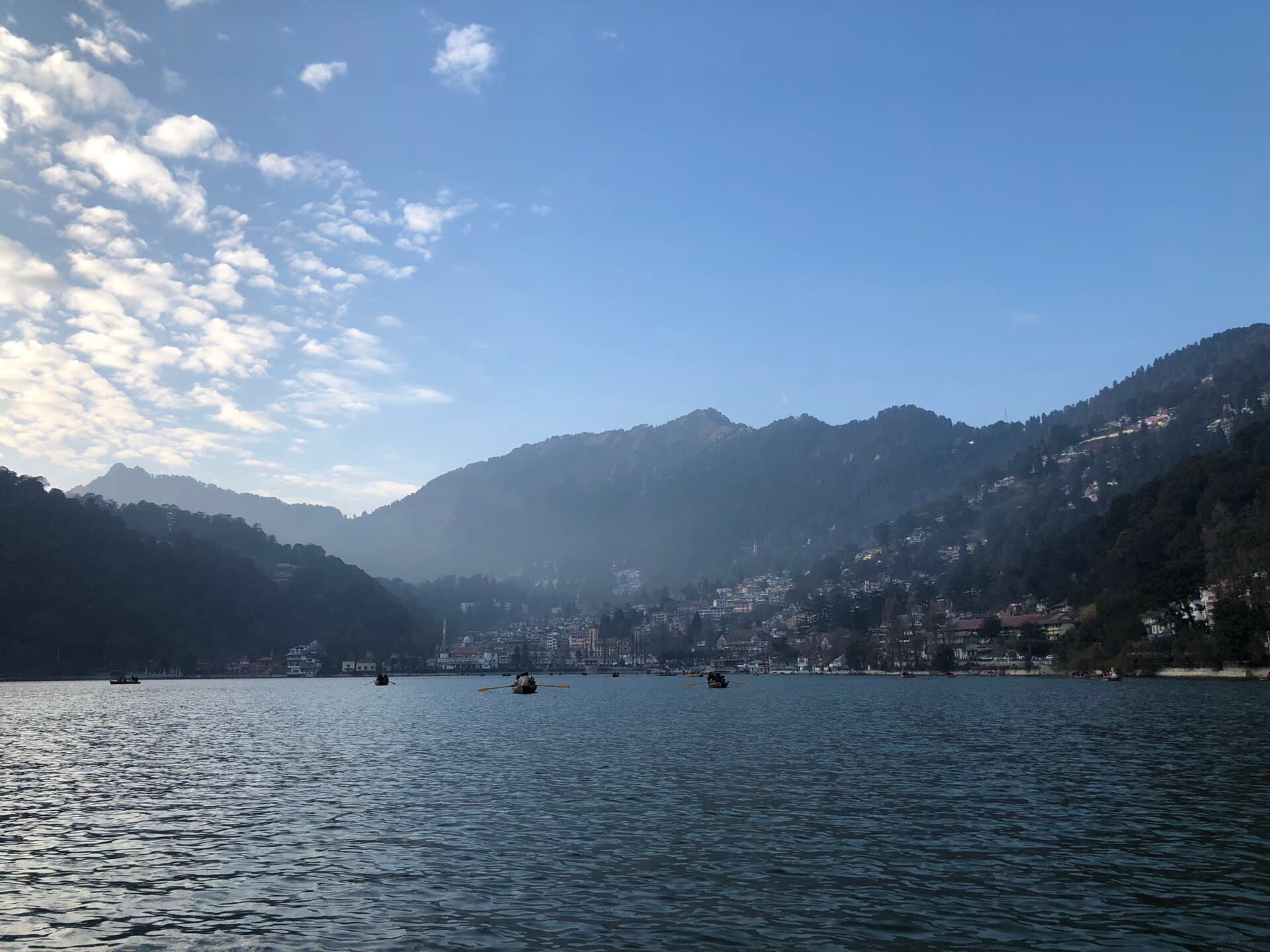
Places to Visit in Nainital: 15 Must-See Attractions
Explore 15 Places to Visit in Nainital, from Naini Lake and Mall Road to scenic viewpoints, temples, forests and attractions for your trip.
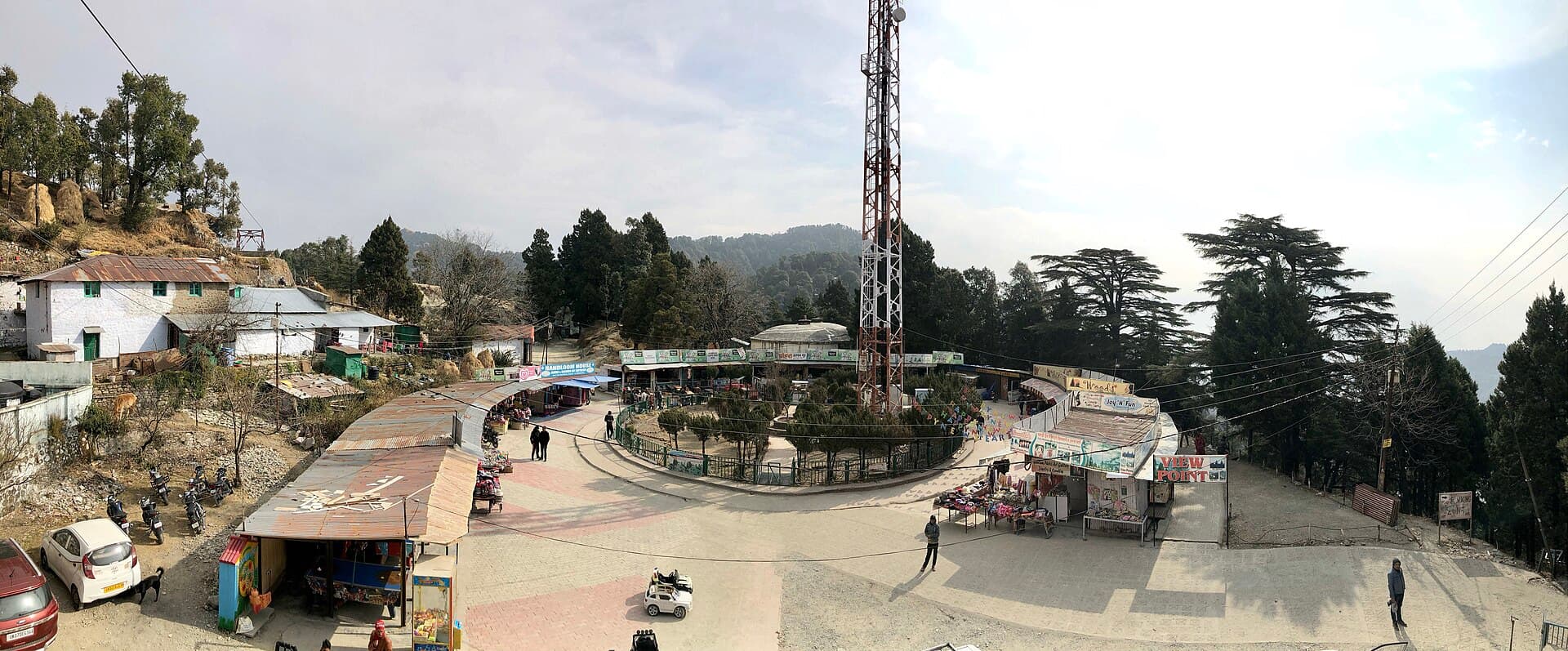
Nainital Weather Forecast for 15 Days
A 15-day Nainital forecast is a planning tool, not a promise — use it to pack, time boating, and avoid the worst rain or fog days.
Not sure where to start? Tell us your dates.
Send your travel dates and group size — we'll reply within a few hours with hotel and tour options that actually fit.