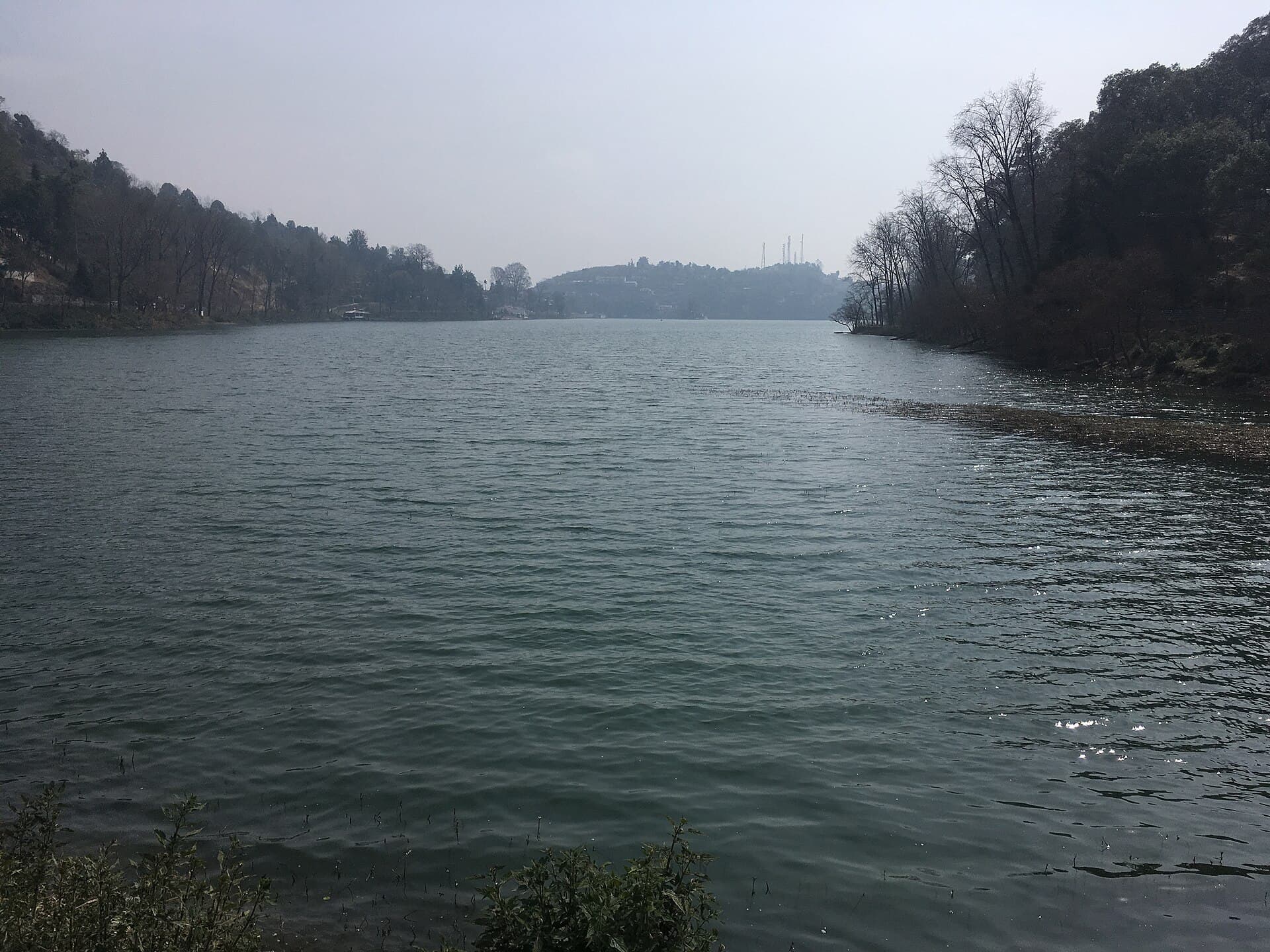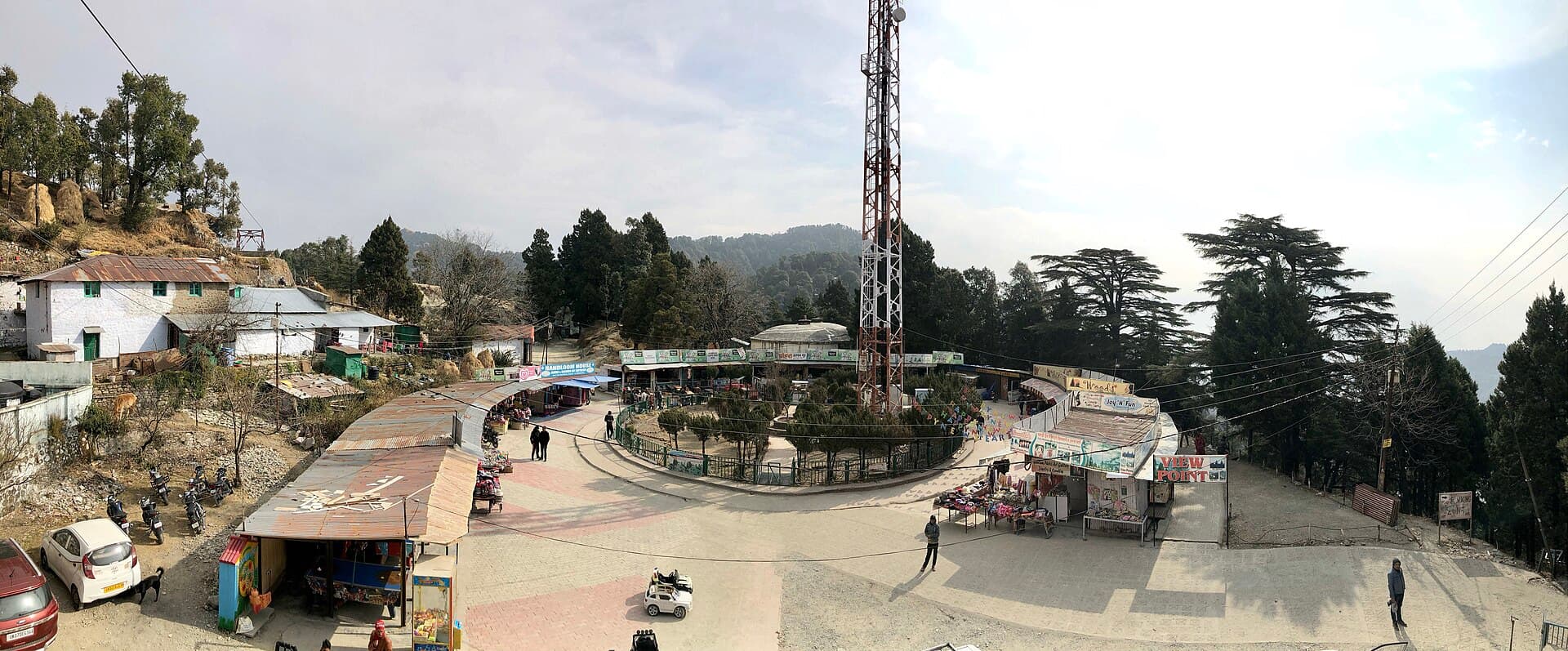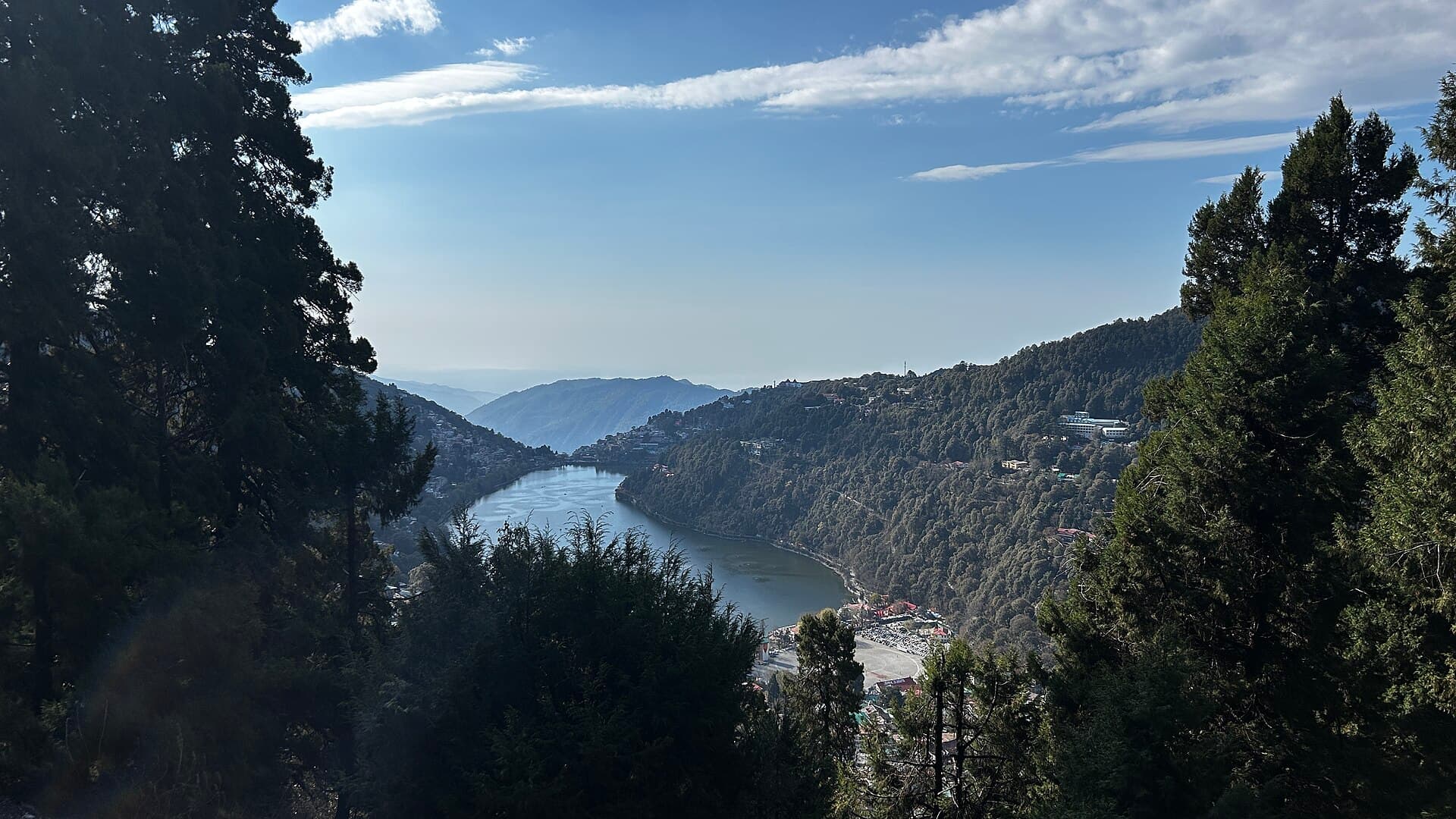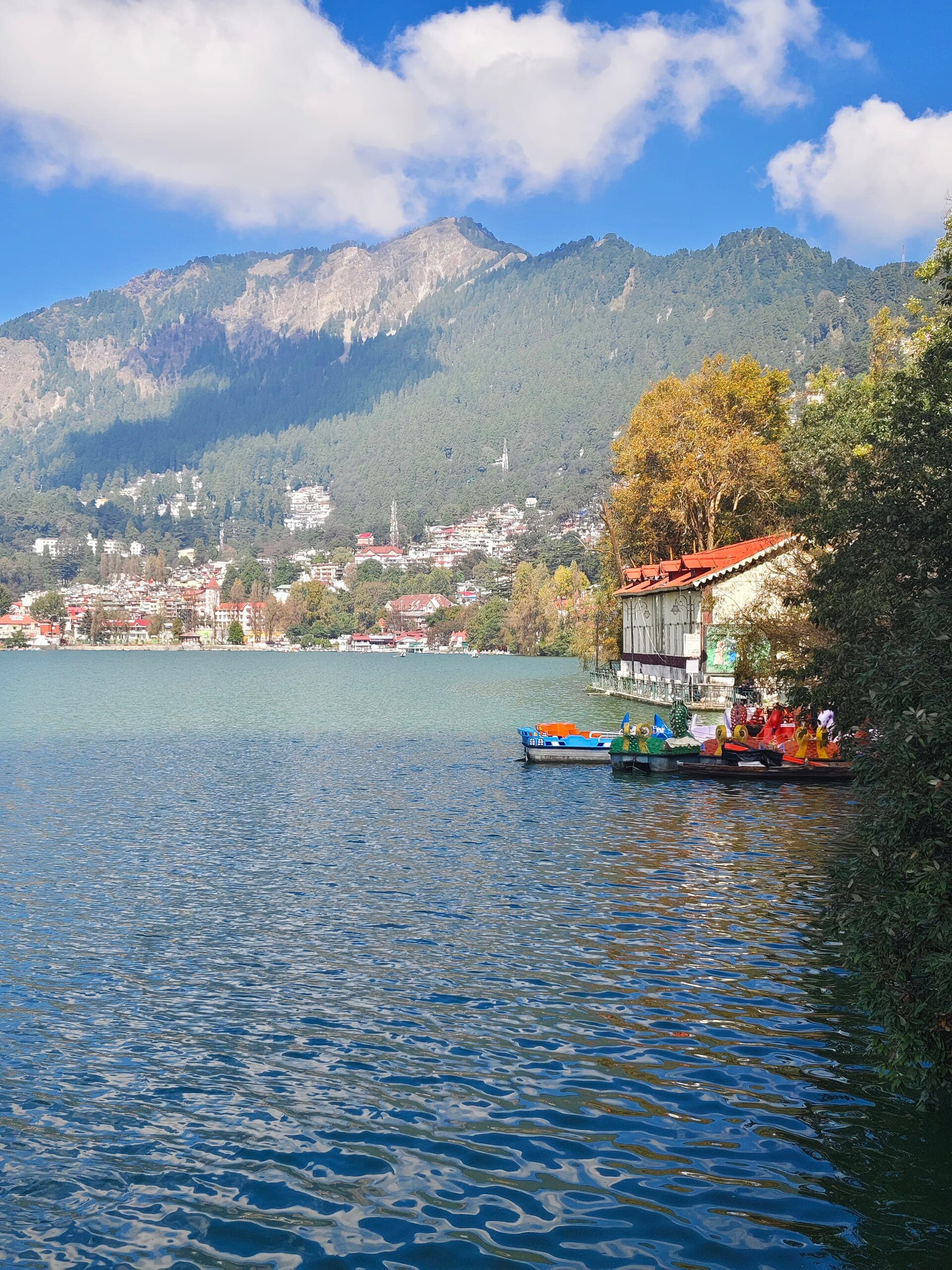
There’s a moment in Nainital that never leaves you — when dawn breaks over the lake and a fine layer of mist floats just above the water, as if the hills are breathing softly. The air carries the scent of pine and wet earth, and the world seems paused between night and day. I remember my first winter here, grabbing a steaming cup of chai from a tiny café by the lake with the sun peeking through the clouds — warm in the face, cool on the back of my neck. That feeling is what keeps travelers returning to this emerald gem year after year.
Welcome to Nainital — a town of lakes, hills, and heart. If you’re serious about planning the perfect trip, understanding the Nainital temperature isn’t just useful — it’s essential. As someone who’s wandered these slopes through monsoon rains, crisp winters, and golden autumns, The Nainital Guide is here to walk you through what to expect month by month.
Whether you’re chasing snowflakes or sun-kissed hilltops, getting a sense of the temperature will help you pack smarter, plan better, and truly soak in every moment this enchanting destination has to offer.
Overview of Nainital’s Climate
Perched at around 2,084 meters (6,837 ft) above sea level in the Kumaon region of Uttarakhand, India, Nainital enjoys a temperate mountain climate. The hills buffer the heat but hold onto the winter chill; the lakes moderate cold breezes but welcome morning fog; and the monsoon wraps the entire town in lush green and occasional misty showers. This variety gives Nainital a personality that shifts with each season — and each month brings something new to experience.
Here’s how the climate breaks down:
- Summer (April to June): Pleasant days, cool nights
- Monsoon (July to September): Green landscapes, intermittent showers
- Autumn (October to November): Clear skies and mild weather
- Winter (December to March): Snowfall in cold spells, crisp air
Now, let’s take a closer look at what the Nainital temperature feels like throughout the year.
Month-by-Month: Nainital Temperature & Experience
January — Chill in the Air
- Avg Temperature: 2°C – 11°C
- How It Feels:
January mornings are crisp, often frosty, and there’s a stillness that blankets the hills. On clearer days, lake views sparkle like glass. - What to Pack:
Warm jackets, thermal layers, gloves, beanies, scarves. - Travel Notes:
If you’re lucky, you may see light snowfall. Cozying up by a fireplace in one of Nainital’s hillside cafés is a must.
Personal Note: I once woke up before dawn and watched the sun touch each rooftop with gold — the cold made the moment feel sacred.
February — Winter’s Gentle Goodbye
- Avg Temperature: 4°C – 14°C
- How It Feels:
Less icy than January but still cold, February mornings have a pink hue over Naini Lake. - What to Pack:
Layers remain key — add a lighter scarf and sunglasses for stronger sunshine. - Travel Notes:
Ideal for serene walks without heavy winter crowds.
March — Spring Begins to Whisper
- Avg Temperature: 8°C – 18°C
- How It Feels:
The air starts to soften, and rhododendrons begin their bloom. - What to Pack:
Sweaters, light jackets, comfortable shoes. - Travel Notes:
Perfect month for nature lovers and photographers — the hills glow with fresh colors.
April — Pleasant Days & Blooming Views
- Avg Temperature: 12°C – 21°C
- How It Feels:
The valley basks in gentle warmth; evenings are still cool. - What to Pack:
Layered clothes, sun protection. - Travel Notes:
School holidays make this a popular travel month, so book accommodation early.
May — Summer’s Warm Embrace
- Avg Temperature: 14°C – 24°C
- How It Feels:
Warm but never sweltering — ideal for sightseeing without the heat stress of the plains. - What to Pack:
T-shirts, light trousers, a jacket for night chills. - Travel Notes:
Great for outdoor activities like boating, paragliding, and village treks.
June — Peak Summer Calling
- Avg Temperature: 15°C – 25°C
- How It Feels:
Perfect hiking weather; cool breezes keep the afternoons comfortable. - What to Pack:
Summer layers and rain gear (occasional showers). - Travel Notes:
This is peak season, with lively streets, buzzing markets, and vibrant cafés.
July — Monsoon Magic
- Avg Temperature: 14°C – 23°C
- How It Feels:
Rain-kissed hills surround you, mist clings to the trees, and the entire valley turns lush green. - What to Pack:
Waterproof jackets, sturdy shoes, umbrellas. - Travel Notes:
Road travel may be slow due to rainfall — but the sight of dripping pine forests is unforgettable.
August — Green Serenity
- Avg Temperature: 13°C – 24°C
- How It Feels:
Cooler rains, quieter pathways, and a peaceful vibe less crowded than summer. - What to Pack:
Same monsoon gear — plus mosquito repellent. - Travel Notes:
Perfect month for those seeking calm rather than crowds.
September — Monsoon Fades, Colors Return
- Avg Temperature: 12°C – 23°C
- How It Feels:
The rain eases, crisper air returns, and the hills look freshly painted. - What to Pack:
Light layers and possibly a rain jacket. - Travel Notes:
Clear evenings make stargazing a delight.
October — Autumn’s Golden Touch
- Avg Temperature: 10°C – 21°C
- How It Feels:
One of the best months of the year — blue skies, warm sunlight, and vivid colors. - What to Pack:
Sweaters, comfortable trekking shoes. - Travel Notes:
Ideal for long walks, café lounging, and exploring nearby viewpoints.
November — Brisk Evenings Begin
- Avg Temperature: 7°C – 17°C
- How It Feels:
Cooler mornings and evenings, but golden days make sightseeing pleasant. - What to Pack:
Warmer jackets, layerable outfits. - Travel Notes:
Great month for travel before winter crowds arrive.
December — Winter Starts to Sing
- Avg Temperature: 4°C – 13°C
- How It Feels:
Frosty mornings, occasional snow flurries, and enchanting cold nights. - What to Pack:
Heavy jackets, thermals, gloves, and warm boots. - Travel Notes:
Perfect for holiday trips — just bundle up and enjoy the festive warmth.
Best Time to Visit Nainital (Temperature & Travel)
Choosing when to visit depends on what you’re after:
For Families & Outdoor Fun
April to June — comfortable heat, vibrant landscapes, and ideal sightseeing.
For Peaceful Nature Lovers
July to September — monsoon rain turns Nainital into a green sanctuary.
For Clear Views & Comfortable Weather
October to November — crisp skies and fewer tourists.
For Winter Charm & Snow Seekers
December to February — chillier days, sparkling nights, and magical winter vibes.
What to Pack for Nainital: Season-Wise Guide
Here’s your practical checklist based on Nainital temperature patterns:
Summer / Pre-Monsoon
- Light shirts & trousers
- Comfortable walking shoes
- Sunhat & sunscreen
- Light jacket for evenings
Monsoon
- Waterproof jacket or poncho
- Umbrella
- Quick-dry clothing
- Good trekking shoes (non-slip)
Autumn
- Light sweaters
- Layerable tops
- Sunglasses & camera
Winter
- Heavy jackets
- Thermals
- Gloves, caps, warm socks
- Woollen scarves & boots
Traveler Tips Based on Nainital Temperature
Plan Activities Around Weather
- In summer, mornings are perfect for boating or hilltop walks.
- In monsoon, visit waterfalls and local museums when it’s raining outside.
- In autumn, sunrise views from viewpoints are stunning.
- In winter, enjoy lakeside cafés and cozy indoor experiences.
Safety Tips for Weather Challenges
- Roads can get slippery during monsoon — choose sturdy footwear.
- Winter mornings can be foggy — drive carefully.
- Keep layered clothing ready as temperature can shift fast.
Local Insights from The Nainital Guide
Locals often say that no two days here feel the same — even when temperatures are similar. That unpredictability is part of the magic.
Deeper Look: How Nainital’s Landscape Influences Temperature
One of the reasons Nainital feels so different from other hill stations is its geography. The town rests in a pear-shaped valley, cradling the tranquil Naini Lake — its heart and soul. On one side, Naina Peak stands tall, while on the other, Tiffin Top (Dorothy’s Seat) and Snow View Point guard the horizon.
This bowl-like shape traps cool air during winter, making nights colder than you’d expect — especially around December and January. In summer, the surrounding forests act as natural air conditioners, keeping the Nainital temperature pleasant even when the plains below, like Haldwani or Kathgodam, are scorching hot.
The lake’s surface reflects sunlight during the day and releases warmth slowly at night, creating a gentle balance. That’s why even a simple evening walk on Mall Road feels refreshing year-round — never too hot, rarely too cold.
Seasonal Experiences You Shouldn’t Miss
Each season in Nainital offers something so distinct that it almost feels like visiting a different place every few months. Here’s what makes every time of year special beyond just the temperature.
Winter (December to February): A Cozy Wonderland
When the Nainital temperature drops to its lowest, the town transforms into a postcard. The mornings are often veiled in mist, and pine trees wear soft frost. In rare years, snowfall blankets the rooftops, turning the town into a quiet white dream.
- Experience: Hot Maggi and tea by the lake while fog swirls around you.
- Where to Go: Snow View Point and Tiffin Top (Dorothy’s Seat) for crisp panoramas.
- Tip: Book rooms with heaters and pack lip balm, as the cold is dry.
Personal Reflection:
I remember one late December night when the temperature dipped below 3°C. I stood by the lake, hands tucked deep in my jacket, watching street lights shimmer on the frozen water surface. The town felt alive yet peaceful — like the hills were breathing slower, waiting for spring.
Spring (March to May): Bloom and Sunshine
Spring brings color back to Nainital. The temperature climbs gently, flowers burst to life, and you’ll see pink rhododendrons lining the hillsides. Days are warm but never hot, making this one of the best times to visit.
- Experience: Morning hikes to Tiffin Top (Dorothy’s Seat) followed by brunch at a café with lake views.
- Where to Go: Naina Devi Temple, St. John in the Wilderness Church, and Governor’s House gardens.
- Tip: This is high tourist season — book hotels early.
Traveler’s Thought:
There’s something special about sipping coffee at Café Chica on a sunny April morning. The air feels new, like a page turning after winter.
Monsoon (June to September): The Green Symphony
The Nainital temperature during the monsoon hovers around 20°C, but it’s the lush scenery that takes center stage. Clouds hang low, the air smells of wet soil, and raindrops drum softly on tin rooftops.
- Experience: Watching ripples form on Naini Lake as rain falls.
- Where to Go: Waterfalls near Bara Patthar, short nature trails, and quiet bookstores around Mallital.
- Tip: Pack waterproof shoes and avoid driving during heavy rainfall.
Why Visit Now:
Few tourists brave the monsoon, which means you’ll have peaceful mornings and rare uninterrupted moments with nature. Photography enthusiasts will love the cloud play over the hills.
Autumn (October to November): Clarity and Calm
As the rain fades, skies turn clearer, and the Nainital temperature stays moderate — cool enough for sweaters but warm enough for exploration. The air feels clean, and the sunsets are breathtaking.
- Experience: Boating under golden light as reflections shimmer across the lake.
- Where to Go: Lands End and Kilbury Bird Sanctuary.
- Tip: Great time for road trips — roads are dry and safe again.
Personal Note:
November sunsets in Nainital are unmatched. The hills catch the last light like they’re glowing from within.
Hidden Local Tips for Each Season
| Season | Insider Tip from The Nainital Guide |
|---|---|
| Winter | Visit early mornings at Eco Cave Gardens — the caves glisten with frost. |
| Spring | Take a walk around Thandi Sadak — the breeze feels like poetry. |
| Monsoon | Enjoy bhutta (roasted corn) sold roadside — tastes magical in rain. |
| Autumn | Rent a paddleboat at sunset; you’ll understand why locals call this the “golden hour.” |
Extended Packing Checklist (Real Traveler Edition)
Essential All-Year Items
- Power bank and waterproof phone pouch
- Reusable water bottle (altitude causes dehydration)
- Small backpack for day hikes
- Light snacks — cafes close early in off-season
Winter Must-Haves
- Thermal layers and socks
- Woollen gloves and muffler
- Room heater or electric blanket (check before booking)
Summer Additions
- Sunglasses and sunscreen (UV rays are stronger at altitude)
- Hat or cap for long walks
- Cotton clothing with a light windbreaker
Monsoon Necessities
- Foldable umbrella
- Plastic bags for wet clothes
- Quick-dry towels
- Anti-leech socks for forest treks
Autumn Comforts
- Camera lens cleaner (for misty mornings)
- Warm innerwear for nights
- Binoculars for bird watching at Kilbury
Festivals and Events by Temperature
Understanding Nainital temperature also helps you enjoy local culture better. Certain festivals align beautifully with the weather.
- January – Republic Day Parade: Local schools organize celebrations under crisp blue skies.
- April – Naini Lake Festival: Boating competitions and folk music performances mark the beginning of summer.
- August – Monsoon Fairs: Small village fairs pop up nearby, filled with local crafts and mountain food.
- October – Sharadotsav: The post-monsoon festival season bursts with color, music, and dance.
- December – Christmas by the Lake: The Mall Road sparkles with lights, cafés serve plum cake, and carols fill the air.
Every event feels amplified by the weather — cold mornings make hot coffee more comforting, sunny afternoons brighten the festivals, and misty evenings turn music into magic.
Local Insights: How to Read Nainital’s Weather
Locals often joke, “If you don’t like the weather, wait five minutes.” The Nainital temperature can swing quickly. Here’s what to expect:
- Morning: Clear and crisp, especially post-monsoon.
- Afternoon: Warmer, but with occasional clouds.
- Evening: Rapid cool-down — carry a shawl even in summer.
- Night: Calm and quiet, with temperatures often 6–8°C cooler than afternoon.
Pro Tip from The Nainital Guide:
If you’re heading for viewpoints like Snow View or Naina Peak, go before 9 a.m. — fog tends to roll in after mid-morning, especially in monsoon and winter.
How Nainital Temperature Affects Activities
Boating
Best in March–June and October–November. In winter, mornings are too cold, and monsoon may restrict lake rides.
Trekking
Ideal during April–June and September–November — dry trails and clear skies make it rewarding.
Shopping
You can enjoy it year-round, but winter evenings make the Tibetan Market feel extra cozy.
Café Hopping
Best during chilly weather — try cocoa at Sakley’s or tea at Café LakeSide as mist drifts in.
Accommodation Choices by Temperature
| Season | Where to Stay | Why |
|---|---|---|
| Winter | Boutique stays near Mallital | Close to town, warm interiors |
| Summer | Cottages on Ayarpatta slopes | Cool breeze, away from crowds |
| Monsoon | Lake-view hotels | Best rain-watching views |
| Autumn | Homestays near Pangot | For birdwatching and peace |
Local Note: Most hotels provide hot water and heating, but confirm before booking, especially if traveling in December–January.
How Nainital Temperature Impacts Food & Mood
When the air turns cold, Nainital’s food scene shifts. Hot soups, thukpa, and momos replace ice creams and shakes. In summer, cafés bring out fresh fruit desserts and cold coffee. The town’s culinary rhythm follows its weather like poetry.
Seasonal Food Tips
- Winter: Try piping hot chocolate fudge at Embassy.
- Monsoon: Street-side Maggi by the rain.
- Summer: Cold coffee at Café Lakeside.
- Autumn: Fresh corn and hill-grown apples.
Each flavor, like the Nainital temperature, has its own story.
Conclusion — Every Season Tells a Story
Whether you visit during the icy hush of January or the green heartbeat of August, Nainital welcomes you with open arms. The Nainital temperature might change, but its warmth — the human kind — stays constant.
As you wander along Mall Road or watch the lake glimmer at dusk, remember that every chill in the air, every drop of mist, every golden afternoon tells you a story of the hills. And when you’re planning your trip, let The Nainital Guide be your trusted companion — helping you feel the town, not just see it.
Because Nainital isn’t just about weather.
It’s about finding peace in every shade of its sky.
Not always. Light snow may fall in late December or January, but some years see none.
January is typically the coldest, with temperatures near freezing.
From March to June and October to early November.
Mostly safe, but landslides can occur. Travel during daylight and check road conditions.
Between 14°C and 25°C — pleasantly mild.