

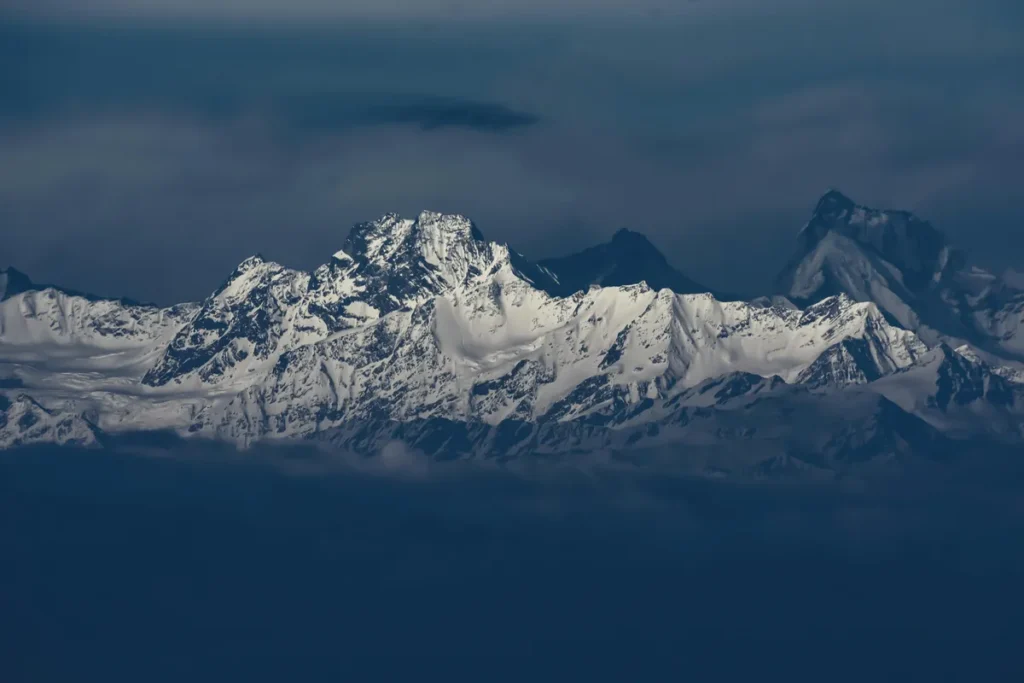
When winter drapes its calm silence over the Kumaon hills, Nainital turns into a dreamscape that feels both tranquil and alive. The lake mirrors misty skies, pine trees wear a soft dusting of white, and the mountain breeze carries that unmistakable scent of snow and pinewood. For travelers who crave a slow, soul-stirring escape, Nainital in winter is not just a destination—it’s an emotion.
The town’s charm deepens as the temperatures dip. You wake to see faint flakes glimmering on rooftops, sunlight breaking through the haze, and distant peaks gleaming under a frosted glow. Walking along the quiet Mall Road or gazing from a hillside cottage, every direction offers a new snow-dusted panorama. The nainital snow view isn’t about grand gestures alone—it’s the subtle blend of serenity, color, and light that turns each glance into a postcard moment.
If you’ve ever dreamt of snow-covered lakes, slow mornings with warm tea, and endless Himalayan views, this guide by The Nainital Guide is written for you. It gathers the best spots, practical tips, and heartfelt reflections from travelers who’ve seen Nainital at its most peaceful. Whether you’re planning a winter vacation or simply curious about the snowfall view points in Nainital, you’ll find every piece of insight you need right here.
Why Nainital Looks Magical in Winter
Winter transforms Nainital into something quiet and meditative. The town sits at about 6,800 feet, perfectly placed to receive gentle snow and crisp mountain air without turning harsh. From December to February, the landscape softens—the lake turns steel-blue, tall deodars hold flakes of snow like delicate lace, and clouds drift low enough to kiss the hillsides.
One reason the snow view in Nainital feels so enchanting is the contrast: the deep green of the forest against bright white snow, the sound of temple bells echoing through still air, and the glimmer of evening lights reflecting off the lake’s frozen ripples. Even short walks feel cinematic. Locals slow down, shops serve more chai than ever, and conversations move to warmth, weather, and wonder.
Unlike high-altitude regions where snow can become harsh, Nainital offers a balanced experience—enough chill for a real winter feel, yet comfortable enough to explore freely. It’s this balance that makes the best snow view in Nainital both accessible and deeply rewarding.
Best Snow View Spots in Nainital
1. Snow View Point
If there’s one place that captures the essence of winter in Nainital, it’s aptly named Snow View Point. Perched at about 7,400 feet, this classic viewpoint offers a panoramic sweep of the Himalayas—Nanda Devi, Trishul, and Nanda Kot shining like guardians in white. On clear days after snowfall, the peaks glow golden in morning light, while the town below shimmers in mist.
What kind of snow view you get:
You’ll see not just the far Himalayan ranges but also snow-covered ridges around the lake. It’s one of the few spots where you can enjoy both the snow covered Nainital foreground and distant summits in one frame.
Best time to visit:
Late December to mid-February gives the clearest chances. Early mornings offer pristine visibility before fog settles in.
Accessibility in winter:
A short ropeway ride from Mallital takes you up in minutes—scenic, safe, and ideal for families. Alternatively, adventurous souls can trek up if the trail isn’t too icy.
Safety tips:
Carry gloves and a sturdy jacket; winds at the top can be sharp. Avoid slippery edges after fresh snow, and check ropeway timings since service may close during heavy fog.
2. Mall Road During Winter
Mall Road is usually the heartbeat of Nainital, but in winter it slows into something gentler. The lake glistens beside you, and soft flakes fall under lamplight—a scene so peaceful you might forget time altogether. Locals stroll quietly, shopkeepers wrap themselves in shawls, and every café window feels like a story.
What kind of snow view you get:
This is less about lofty panoramas and more about atmosphere. You’ll see snow resting on boat roofs, frozen patterns at the lake’s edge, and the faint reflection of the hills on cold, glassy water. It’s the winter view in Nainital that most visitors remember long after they leave.
Best time to visit:
Evenings in late December are magical when the lights of the lakefront reflect on the snow. Morning walks are equally special—mist curling over the surface, creating ethereal photo moments.
Accessibility in winter:
Completely walkable. Roads are occasionally slippery after snowfall, but authorities clear main sections quickly.
Safety tips:
Wear shoes with good grip and avoid stepping on icy patches near the waterline. Keep a thermos handy; sipping tea as you walk along Mall Road might just become your favorite winter ritual.
3. Naina Peak (China Peak)
Standing as Nainital’s highest vantage point at around 8,579 feet, Naina Peak—also known as China Peak—offers one of the most sweeping snow views you can find. The trek or short drive to its base winds through dense pine and deodar forests, where occasional snow patches glint through the shade. Reaching the summit feels like stepping into a painting.
What kind of snow view you get:
From the top, you’ll witness the entire Nainital valley spread like a white bowl below, encircled by snow-clad ridges. Distant Himalayan ranges line the horizon in silvery blues. It’s often cited as the best snow view in Nainital for photographers.
Best time to visit:
January mornings right after a light snowfall are unbeatable—the air is crisp, visibility high, and the crowds thin.
Accessibility in winter:
Vehicles can go partway; the final stretch usually requires walking. The path can be slippery, so carry trekking poles or a stick for balance.
Safety tips:
Start early to avoid fog and descending darkness. Carry a flask of warm water, and always inform your hotel about your trek time.
4. Tiffin Top (Dorothy’s Seat)
Perched at about 7,520 feet, Tiffin Top, or Dorothy’s Seat, offers a panoramic blend of beauty and peace. Named in memory of Dorothy Kellet, this stone platform provides some of the most heartwarming snowfall view points in Nainital. The short trek to Tiffin Top passes through oak and pine forests, which in winter turn into silent corridors of white.
What kind of snow view you get:
From the top, you’ll see the entire Nainital town framed by snow-laden woods. After fresh snowfall, the surrounding forest glimmers with silver light, and you can even spot the distant Himalayas glinting beyond the mist. The scene feels intimate—like Nainital whispering its winter secrets to those who make the climb.
Best time to visit:
Mid-morning after a fresh snowfall gives the best lighting for photos and comfortable temperatures for the short trek.
Accessibility in winter:
You can hike up from Ayarpatta, a 4 km moderate trail. Horses are available for hire, but walking allows you to savor the snow-covered paths.
Safety tips:
Wear layered clothing and waterproof shoes. If trekking after recent snow, avoid shaded icy stretches and bring a small thermos of tea or soup—it’s part of the experience.
5. Land’s End
Despite its dramatic name, Land’s End is a peaceful spot located near Barapathar, just a few kilometers from the main town. Standing here, it truly feels like the edge of the world—deep valleys below, pine ridges ahead, and the lake shimmering in between.
What kind of snow view you get:
You’ll get sweeping views of snow covered Nainital and the surrounding Khurpatal Valley. On clear winter days, the contrast between snowy slopes and evergreen forests creates one of the most photographable sceneries in all of Nainital.
Best time to visit:
Late December and January mornings, when the sun is low and golden. The soft light brings out texture and depth in the snow.
Accessibility in winter:
It’s a short, easy trek from Barapathar—about 1 km. The path can be muddy or slightly icy, but it’s manageable with good shoes.
Safety tips:
Avoid going too close to cliff edges, especially when snow softens the ground. Carry a camera strap—winds at Land’s End can be surprisingly strong in winter.
6. Kilbury Road
If solitude and bird calls are your idea of winter bliss, then Kilbury Road should be on your list. This lesser-known stretch runs through the Pangot and Kilbury Bird Sanctuary, where snow blankets the forest floor and sunlight filters in like gold dust. It’s an idyllic spot to experience winter view in Nainital away from the tourist buzz.
What kind of snow view you get:
Here, it’s not about one grand vista but a series of evolving views—curves of white road, pines sparkling with frost, and distant peaks winking through the mist. You might spot Himalayan magpies darting through the branches or tiny footprints of deer on snow.
Best time to visit:
Any morning between late December and mid-February. Early light creates long shadows and a soft glow ideal for photography.
Accessibility in winter:
The road is motorable most of the season, though you should check local weather updates. Even short walks along this route are delightful.
Safety tips:
Drive slowly—black ice can form after early morning frost. Keep emergency snacks and water in the car, and avoid honking near birding areas.
7. Pangot (Near Nainital)
Just 15 km from the town, Pangot is Nainital’s serene winter cousin—a sleepy hamlet surrounded by thick oak and rhododendron forests. In winter, Pangot becomes a white wonderland. Cottages sit under snowy roofs, trails disappear under powdery flakes, and silence rules the hills. For many locals and photographers, it’s the ultimate destination for the best snow view in Nainital region.
What kind of snow view you get:
You’ll see a perfect Himalayan tableau—rolling snow-covered slopes, pine-clad ridges, and glimpses of Nanda Devi on clear mornings. The sense of stillness is unmatched, especially right after fresh snowfall.
Best time to visit:
Mid-January to early February usually brings the heaviest snow in Pangot. Visit just after roads reopen for the cleanest views and minimal crowds.
Accessibility in winter:
The drive from Nainital is short but winding. Roads are generally maintained but may close temporarily during heavy snow. Hiring a local driver familiar with winter conditions is advisable.
Safety tips:
Carry tire chains if driving yourself. Nights can drop below freezing—pack heavy woolens, and make sure your accommodation has reliable heating.
Nainital Snow View in January vs December
December in Nainital is the prelude—cold, misty, and expectant. You’ll often find traces of snow on higher ridges but clear roads in town. It’s a wonderful time for serenity and soft light photography. The atmosphere feels festive too, with Christmas decorations and cozy cafes glowing through the fog.
January, however, is when the real nainital snow view magic begins. Snowfall chances rise significantly, transforming viewpoints like Snow View Point, Naina Peak, and Pangot into postcard scenes. The lake often develops icy fringes, and the forest paths crunch gently underfoot. Crowds are smaller than in summer, making January ideal for introspective travelers or photographers seeking raw beauty.
Both months have their charm: December offers crisp air and anticipation; January rewards patience with full-fledged snow scenes. Whichever you choose, carry warm layers and allow nature to set the pace.
Can You Enjoy Snow Views Without Heavy Snowfall?
Absolutely. One of the most beautiful aspects of nainital snow view is that you don’t need a blizzard to experience its charm. Even a light snowfall—or just traces of frost and mist—can create an equally mesmerizing landscape. Nainital’s magic lies in its subtle contrasts: pale sunlight slipping through fog, white patches scattered across pine-covered slopes, and the shimmer of dew turning to ice.
During winters with lighter snow, higher areas like Snow View Point, Naina Peak, and Pangot still retain their icy sheen. The lake, though not frozen solid, mirrors the pale blue sky, creating an illusion of endless stillness. So, even if the town center isn’t blanketed in white, the elevated ridges almost always offer the classic snowfall view points in Nainital experience.
If you’re visiting mainly for scenery rather than snowfall, focus on the atmosphere—the crisp mountain air, the hush that follows a cold morning, and the silver-gray reflections of trees in the lake. Snow is just the finishing touch; the true magic lies in the mood of winter itself.
Best Time of Day for Snow Views in Nainital
The best snow view in Nainital changes with the light. Mornings are often the clearest and most photogenic. Around 8 to 10 a.m., fog lifts slowly, revealing peaks and snow lines glistening under soft golden sun. The town is quieter then—perfect for walking or capturing untouched snow trails.
Afternoons are warmer and pleasant for longer explorations. Snow tends to melt slightly, making pathways easier to walk. Viewpoints like Tiffin Top and Land’s End are ideal for relaxed mid-day outings when visibility is stable.
Evenings, though cold, are ethereal. The lights around the lake reflect on snow patches, and the sky often turns pink and lilac before fading into deep blue. For photographers, this “blue hour” is irresistible—particularly along Mall Road or from Snow View Point overlooking the shimmering lake.
If you plan your day right, you can enjoy every facet of winter view in Nainital—from crisp morning serenity to glowing twilight reflections.
Photography Tips for Capturing Nainital Snow View
- Use natural morning light:
Snow acts like a mirror. Shooting in the early hours helps you avoid harsh glare and keeps colors balanced. - Adjust exposure manually:
Cameras often underexpose snowy scenes, making them appear dull. Increase exposure slightly to bring back brightness. - Use fog creatively:
Mist can add depth and mystery. Focus on silhouettes—trees, boats, or temple spires emerging through haze. - Protect your gear:
Condensation can damage lenses. Keep cameras wrapped when moving between cold outdoors and warm indoors. - Mobile photography tips:
Tap on the snow area to adjust brightness, and shoot in HDR mode to retain sky and snow detail. - Best photo spots:
Try dawn shots from Snow View Point, golden-hour photos from Tiffin Top, and night reflections along Mall Road. Each offers a distinct texture of the snow view in Nainital experience.
Remember, the best photographs capture emotion more than perfection—focus on the feeling of cold air, silence, and warmth meeting the chill.
Travel Tips for Enjoying Snow Views Safely
- Dress in layers: Woolen thermals, gloves, and waterproof shoes are essential. Even short walks can feel colder than expected.
- Carry light snacks and water: The combination of altitude and chill can dehydrate you faster than you think.
- Stay updated on road conditions: Especially if driving from Delhi or Kathgodam, check local updates about landslides or icy patches.
- Walk carefully on snow: Avoid smooth, shiny patches that signal ice. Use trekking poles for balance if exploring hilly trails.
- Keep emergency numbers handy: Nainital is safe, but mountain weather can change quickly. Always inform your stay about your planned route.
Following these small precautions ensures your trip remains about joy and discovery rather than discomfort.
back to The Nainital Guide.
Where to Stay for the Best Snow View in Nainital
Choosing the right stay can completely transform your winter experience. Many travelers come for the snow but end up missing the best vantage points simply because their rooms face the wrong direction or sit below the main ridge. For a truly scenic stay, consider these areas:
1. Mallital and Upper Mall Road:
These areas provide beautiful lake-facing views, especially after snowfall. Morning reflections and twinkling night lights create postcard-worthy scenes. You can step out for a stroll anytime and enjoy the snow-dusted promenade.
2. Ayarpatta Hill:
Quiet and elevated, this region offers a peaceful environment and unobstructed views of the valley. You’re also close to Tiffin Top and Dorothy’s Seat, making early morning walks easy.
3. Snow View and Sher-ka-Danda Ridge:
Staying near or slightly below Snow View Point gives you a rare advantage—panoramic Himalayan vistas right from your window. It’s ideal for those who want that signature nainital snow view experience without trekking every morning.
4. Pangot:
If you prefer deep winter tranquility, Pangot’s forest lodges and homestays offer the purest snow covered Nainital views. Waking up to silence broken only by birds and soft snowfall is unforgettable.
When booking, ask your host specifically about their snow views, road accessibility in winter, and availability of heating. A cozy, well-placed stay turns your trip from good to magical.
Common Mistakes Tourists Make During Winter in Nainital
Even seasoned travelers can underestimate winter in the hills. Here are some common oversights to avoid:
- Expecting constant snowfall:
Snowfall is seasonal and unpredictable. Even if you don’t witness flakes falling, snow-capped views are equally beautiful. - Ignoring footwear:
Flat sneakers or formal shoes can be risky. Always wear non-slip boots or trekking shoes for exploring snow-laden trails. - Packing light on warm clothes:
Mountain cold can surprise even those used to northern winters. Layers and gloves are non-negotiable. - Driving after dark:
Roads may freeze slightly at night, especially near Pangot or Kilbury. Plan your travel during daylight hours. - Skipping local food and tea breaks:
Winter is best enjoyed slowly—stop for pahadi tea, soup, and buns along small stalls. They warm both the body and heart. - Rushing from point to point:
Nainital’s beauty unfolds in stillness. Instead of checking off places, spend extra time at one viewpoint and absorb the peace.
Avoiding these mistakes ensures your visit feels immersive, not rushed.
for nearby winter spots like Mukteshwar or Ramgarh.
Conclusion
Winter in Nainital isn’t just about the snow—it’s about how everything slows down. The lake grows quieter, roads glisten faintly, and the mountains seem closer than ever. Watching sunlight spill across white ridges or fog drift over pine forests, you begin to feel the calm rhythm that defines the hills.
Whether you’re standing atop Naina Peak, sipping tea along Mall Road, or wandering through the whispering woods of Pangot, every moment brings a different face of the nainital snow view—sometimes grand, sometimes gentle, always unforgettable.
So travel slowly. Watch the clouds move. Let the silence wrap around you like a blanket. And when you finally leave, take not just pictures but memories of warmth and wonder that linger long after the snow melts.
For more insights, routes, and authentic local tips, keep exploring The Nainital Guide—your companion to discovering the real beauty of Nainital, one peaceful winter moment at a time.
Not always. Snowfall usually happens in spells between late December and February. However, even without fresh snow, surrounding ridges often stay white for days.
Snow View Point and Naina Peak are the most reliable for clear Himalayan panoramas, while Pangot offers the most picturesque snow-covered forests.
Yes. Opt for easy-access locations like Snow View Point (via cable car) or Mall Road for a family-friendly experience.
Mid-January is generally ideal for seeing Nainital in full winter bloom.
Most main roads remain open, though temporary closures can occur after heavy snow. Always check updates on weather in Nainital in winter before driving.
Yes. You can enjoy excellent snow views right from the town, especially near Mall Road, Snow View Point, and Mallital.
Warm layers, gloves, non-slip shoes, a small torch, and a reusable water bottle.
Yes—check out guides on Snowfall in Nainital and Best Places to See Snowfall in Nainital for nearby winter spots like Mukteshwar or Ramgarh.