

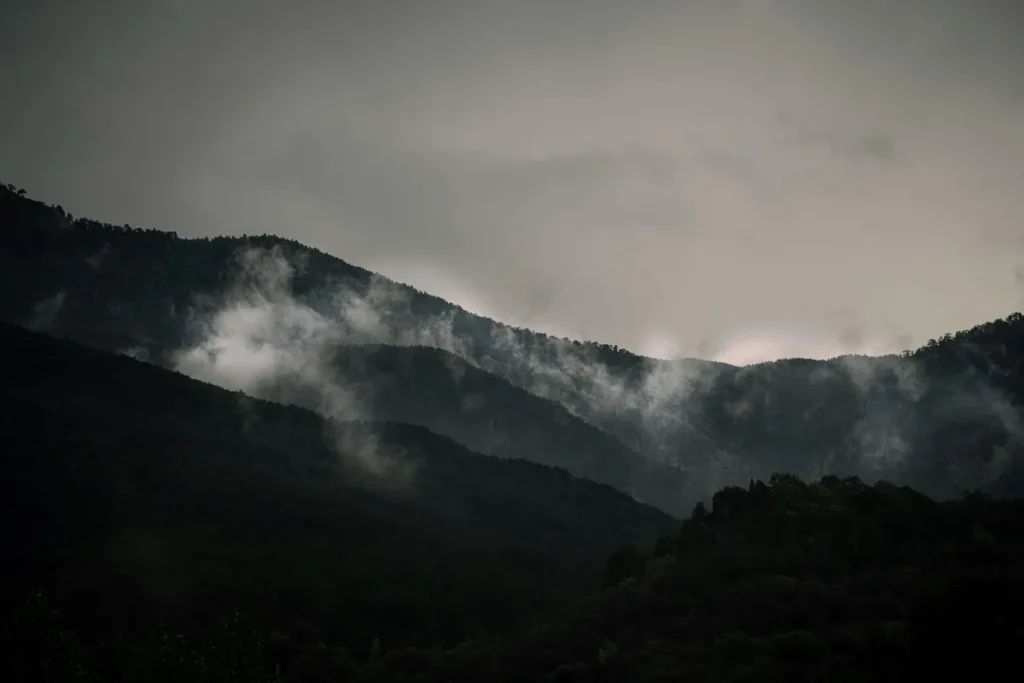
Growing Up With the Rhythm of the Hills
I was born and raised in Nainital, where every breath of air carries a story told by the mountains. For those who’ve only visited for a weekend, the weather in Nainital might seem like just another pleasant hill-station forecast — cool summers, chilly winters, a bit of mist here and there. But for us locals, the weather isn’t just background; it’s a living rhythm that shapes our days, moods, and memories.
As a child, I woke up to sunrays glinting over the emerald lake, sometimes hidden behind clouds that seemed close enough to touch. School assemblies often began beneath skies that could shift from clear blue to fog-laden in a matter of minutes. The sound of rain on tin roofs became our lullaby in July, and the first hint of winter smoke curling from chimneys meant sweaters would soon be pulled from trunks.
Living here teaches you that Nainital’s charm isn’t constant — it changes with the seasons in Nainital, each one leaving a distinct imprint. The temperature, the scents, the colors, even the pace of life alter as the months roll by. And that’s exactly what makes this small Himalayan town so unique compared to other hill stations. Through The Nainital Guide, I’ve always tried to capture that spirit — not just facts and forecasts, but the real feeling of living through every mood of these hills.
What Makes the Weather in Nainital So Unique
Unlike most places where the weather feels predictable, Nainital likes to keep you guessing. You can start your morning basking in warm sunshine and end your day wrapped in fog. The Nainital climate dances between opposites — gentle yet intense, cozy yet unpredictable.
Being cradled at about 6,800 feet above sea level, Nainital experiences a mild but ever-changing pattern. The lake at the heart of the town reflects the mood of the sky — calm in summer mornings, silver under monsoon drizzle, and sometimes frozen at the edges during winter’s peak. This constant transformation is what makes the weather in Nainital so magnetic.
For travelers, these shifts are part of the adventure. For us locals, they’re simply life — the rhythm by which we plan our markets, festivals, school terms, and family gatherings.
Seasonal Breakdown
Spring (March–April): When the Hills Wake Up
After the sleepy chill of winter fades, Nainital stretches awake. March brings a quiet rebirth — rhododendron trees explode in red blooms, and the crisp air carries the scent of pine and damp soil. The Nainital temperature during this time usually hovers between 10 °C and 20 °C, perfect for long walks and lakeside boat rides.
As a kid, I remember how the mornings in March felt — bright yet gentle, with sunlight slanting through oak leaves. Locals begin repainting shop fronts and guesthouses for the coming season. The town regains its color, both literally and emotionally.
For travelers, this is one of the best times to visit. You get the freshness of the hills without the crowd of summer. The lake mirrors clear skies, and the evenings are cool enough for light sweaters. If you’re lucky, you might catch the annual flower shows that make the flats near the lake burst with color.
Spring in Nainital has a peaceful pace. Tourists start to trickle in, not in noisy groups but as quiet wanderers. Photographers love this time — the clarity of light, the reflections in the lake, the slight haze that gives the hills a dreamy filter.
From my window growing up, I could see the first bursts of rhododendrons framing the lake road. My mother always said the flowers looked like “the hills’ way of smiling after winter.” She wasn’t wrong — the weather in Nainital feels happiest then.
Summer (May–June): Sunshine, Rush, and Lively Streets
By May, the hills are alive with chatter. The summer weather in Nainital pulls people from the plains in search of relief. Temperatures rise to a pleasant 18 °C – 27 °C, warm enough for picnics yet far cooler than Delhi or Lucknow’s scorching heat.
Growing up, summer meant longer evenings — kids playing cricket near the Boat House Club, families strolling on Mall Road with soft-serve ice cream, and tourists lining up for boat rides till sunset. For us locals, it also meant navigating through the crowd but secretly enjoying the energy it brought.
The town feels festive in summer. Shops stay open late, and the lake glitters with reflections of paddle boats. The air smells of roasted corn and mountain dust. It’s the season when Nainital feels young again.
However, behind that cheer, the weather still has its quirks. Mornings can start bright but clouds often gather by afternoon. Locals know the rhythm — when the wind shifts, rain might follow. Visitors caught off guard often rush to buy umbrellas from roadside stalls (I’ve sold a few during school vacations!).
For travelers, pack light cottons for the day and a jacket for evenings. The sun can be warm but UV rays are stronger at altitude, so sunscreen and caps are a must.
If you’re visiting in June, remember this is peak tourist time. Roads from Kathgodam to Nainital get busy, and hotel prices rise. But there’s something irresistible about the atmosphere — laughter echoing across the lake, street musicians playing near the flats, and the faint scent of pine carried by the evening breeze.
For me, summer will always be about sunsets from Tiffin Top — sitting quietly as the town glows golden and the temperature drops just enough to remind you you’re in the mountains.
Monsoon (July–September): Mist, Rain, and Magic
When July arrives, Nainital wraps itself in clouds. The first drops fall softly, soaking the parched hills, and soon everything smells of wet pine and earth. For locals, this is the season when time slows down. The weather in Nainital during monsoon is unpredictable — one moment it’s drizzle, the next it’s heavy downpour that turns the roads glassy and the lake mirror-still.
I still remember those misty mornings walking to school with an umbrella twice my size. The fog would hang low enough to blur the buildings on Mall Road, and you could barely see across the lake. Shops opened late, and the sound of rainfall on the tin rooftops became the town’s background music.
For visitors, monsoon in Nainital can be both a blessing and a challenge. The temperature stays between 10°C and 18°C — cool, sometimes cold in the evenings. Landslides can occasionally block roads, so traveling requires patience. Yet, if you love solitude, this is when the town shows its quietest, most poetic side.
Cafés stay half-full, locals sip endless cups of chai by fogged-up windows, and the hills turn a rich, velvety green. Boating on the lake during a light drizzle feels almost cinematic — raindrops rippling across the surface, mist weaving through the deodar trees, and a chill breeze brushing your face.
There’s a saying we locals like to joke about: “In Nainital, even rain has manners — it falls softly enough to make you stay, not leave.” And that’s true. The monsoon weather here isn’t just wet; it’s deeply romantic.
If you plan to visit during this time, pack rain gear, waterproof shoes, and a spirit for slow travel. Forget sightseeing schedules — just walk, listen, breathe. The hills will take care of the rest.
Autumn (October–November): Calm Skies and Golden Evenings
As September fades, the rain clouds drift away, leaving behind washed-clean skies and the most dazzling sunsets you’ll ever see. Autumn is short in Nainital, but it’s my personal favorite. The Nainital temperature sits comfortably between 8°C and 20°C, and the air feels crisp but not biting.
This is when the lake is at its clearest — you can see reflections of the hills with perfect symmetry. The oaks and maples begin to turn gold, and every afternoon walk feels like stepping through a painting. Growing up, this was the time of school picnics and post-monsoon festivals. Diwali lights glowed brighter against the cool air, and local bazaars came alive with tourists returning after the rains.
For travelers, October and November offer peace. The crowds thin out, the roads are clear, and you can experience Nainital’s everyday rhythm — children in woolen sweaters heading to school, elders basking in the mellow sun, and the smell of roasted peanuts drifting from lakeside stalls.
Autumn evenings are magical. The sun dips early, painting the lake gold before darkness folds in softly. Locals light small bonfires, and the faint sound of temple bells echoes across the hills. The weather in Nainital during these months feels like balance — warm enough for long walks, cold enough for cozy sweaters.
If you’re a photographer, come in November. The light is pure, the visibility endless, and every corner — from Thandi Sadak to Land’s End — glows with quiet beauty. To me, autumn is the pause between two moods of Nainital — the liveliness of summer and the silence of winter.
Winter (December–February): Snow, Smoke, and Stillness
And then comes winter — the season that makes Nainital feel like a postcard. The weather in Nainital during winter drops sharply; nights can dip below freezing, and mornings are wrapped in silver frost. The town wakes late, and every sound feels hushed, softened by the cold air.
When I was a child, we’d huddle near the fireplace, watching smoke curl up the chimney while waiting for news of snow. The first snowfall was always an event — children ran outside, trying to catch flakes on their palms, and the hills turned white overnight. Even if it didn’t snow every year, the chill was always deep enough to make breath visible in the air.
Tourists who visit in winter often come seeking that snow. January is the coldest month, with temperatures between 0°C and 10°C. The mornings can be icy, but once the sun appears, the light feels almost liquid — warm, golden, and comforting against the chill.
Local life slows down. Shops open late, and people walk quickly, scarves wrapped tight. The markets sell woolens and hot momos, and tea stalls stay busy from dawn till dusk. For us, winter evenings meant gathering with friends around small bonfires, telling stories while sipping ginger tea.
For travelers, this is the time to experience Nainital’s quieter, cozier side. Carry heavy woolens, gloves, and shoes with good grip for icy streets. The town’s winter charm lies in its simplicity — a stroll along the frozen lakeside, the crunch of frost underfoot, and the scent of pine smoke in the air.
Winter in Nainital has a stillness that feels sacred. When the fog settles over the lake and the town lights shimmer faintly through it, it feels like the hills are whispering lullabies to themselves.
As someone who grew up here, I’ve learned that Nainital isn’t just a place of changing temperatures — it’s a place of changing moods. Each season, especially winter, holds a quiet lesson in patience, beauty, and belonging.
Local Insights: How Weather Shapes Life in Nainital
For those of us who’ve lived our whole lives here, the weather in Nainital isn’t something we just talk about — it’s something we live around. Everything in town bends gently to its moods. Schools adjust timings when mornings turn too foggy, and markets close early during heavy winter chills.
Growing up, I remember how the change of season felt like a quiet announcement. When summer arrived, you could hear the excitement in shopkeepers’ voices — fresh stocks of woolens and souvenirs coming in, cafés reopening for tourists. Then, as monsoon rolled in, the town slowed, people stayed indoors more, and conversations moved to verandas over steaming tea.
Even festivals in Nainital are deeply tied to the weather. During spring, we had fairs on the flats — bright, lively days filled with the smell of local snacks and laughter. Winters brought smaller, homelier celebrations — families gathering indoors, huddled around heaters or fireplaces, the air thick with the smell of pinewood smoke.
I think that’s what makes Nainital special. The town and its people adapt to every shift in the sky. We’ve learned to find comfort in the cold, poetry in the rain, and joy in the sunshine. The Nainital climate doesn’t just change the landscape — it quietly shapes the rhythm of everyday life.
Traveler’s Perspective: Experiencing the Seasons
For anyone planning a trip, understanding the weather in Nainital can turn a good visit into a perfect one. Each season brings a distinct personality — knowing which one matches yours can make all the difference.
Spring (March–April):
If you love calm mornings, flower blooms, and light jackets instead of heavy coats, spring is ideal. You’ll get mild temperatures (10°C–20°C), clear skies, and few crowds. Perfect for photographers and nature lovers.
Summer (May–June):
Expect lively streets, warm days (18°C–27°C), and lots of company. It’s the most touristy season, so book stays early. Carry breathable clothes, sunscreen, and a light jacket for evenings.
Monsoon (July–September):
For romantics, writers, and anyone seeking solitude — this is when Nainital is at its most mystical. Expect frequent rain, fog, and lush greenery. Carry rain gear and allow time for slow travel.
Autumn (October–November):
If you want the best of both worlds — peace and beauty — come now. Crisp air, clear skies, and breathtaking sunsets make this the most balanced season. Pack light woolens and comfortable shoes.
Winter (December–February):
For snow lovers and cozy souls, winter offers magic. Temperatures dip below 0°C, and snow may grace the higher slopes. Bring warm clothes, gloves, and boots. Roads can get slippery, so travel with care.
Whichever season you choose, remember — Nainital isn’t just about sightseeing. It’s about feeling the weather, slowing down enough to hear the hills breathe. Sit by the lake, walk along Thandi Sadak, watch fog roll through pine trees — that’s where the real experience hides.
Personal Memories: Growing Up in the Heart of Changing Seasons
Sometimes, when I walk along the lakeside now, I still feel that same wonder I did as a child. The weather in Nainital has been my lifelong companion — my first teacher in patience and beauty.
I remember winters when my fingers would go numb holding snowballs, summers when we’d sneak mango popsicles from the corner shop, and monsoon days when we’d press our faces to the window, watching clouds swallow the hills.
Even after all these years, I can tell the season just by the smell of the air — the sharp chill of winter mornings, the sweetness of spring flowers, the earthy scent of monsoon soil. These are the memories that never fade, because here, the weather isn’t just a backdrop — it’s part of who we are.
Every Nainital local carries these small stories — a favorite tea stall that’s warmer on rainy days, a secret viewpoint that glows golden in autumn, a family ritual of taking the first snowfall photo from the same rooftop every year. That’s the magic visitors often feel too, even without realizing it — the sense that the town remembers you, just as it remembers every change in season.
Best Time to Visit Nainital
If you ask ten locals when to visit Nainital, you’ll probably get ten different answers — because each of us loves a different version of the town. But here’s my honest take:
- For pleasant weather and blossoms: March to April (Spring)
- For lively vibes and lake activities: May to June (Summer)
- For misty peace and fewer crowds: July to September (Monsoon)
- For golden calm and crisp air: October to November (Autumn)
- For snow, silence, and cozy charm: December to February (Winter)
If you’re visiting for the first time, October is often perfect — the Nainital temperature stays comfortable, skies are clear, and you can experience the calm beauty of post-monsoon freshness.
But truthfully, there’s no wrong time. The weather in Nainital changes, but its soul stays the same — gentle, welcoming, and endlessly poetic.
Conclusion: The Hills and Their Eternal Mood
After all these years, I’ve realized that Nainital’s real beauty isn’t just in its lake or its views — it’s in how the weather weaves itself into life here. The mist that hides the hills, the sunlight that returns each morning, the snow that turns the world silent — each moment is a small story waiting to be felt.
The weather in Nainital teaches you to slow down, to notice, to breathe. It reminds you that beauty isn’t constant — it changes, like the hills themselves.
Whether you come for a few days or stay a lifetime, Nainital has a way of imprinting its seasons on your heart. I’ve seen countless travelers leave saying they’ll return “next time,” and most of them do. Because once you’ve felt the rhythm of these mountains — the shifting winds, the soft rains, the golden winters — a part of you always stays behind.
So, when you plan your visit, don’t just look at the forecast. Come ready to experience the weather — to feel Nainital the way we locals do: not through numbers or degrees, but through moments, moods, and memories that linger long after you’ve gone. And if you ever want to see this town through a local’s eyes again, you’ll always find a piece of it waiting here at The Nainital Guide.
This article was updated for 2026 by Anshul Pant at The Nainital Guide based on local experience, seasonal observations, and practical travel insights.